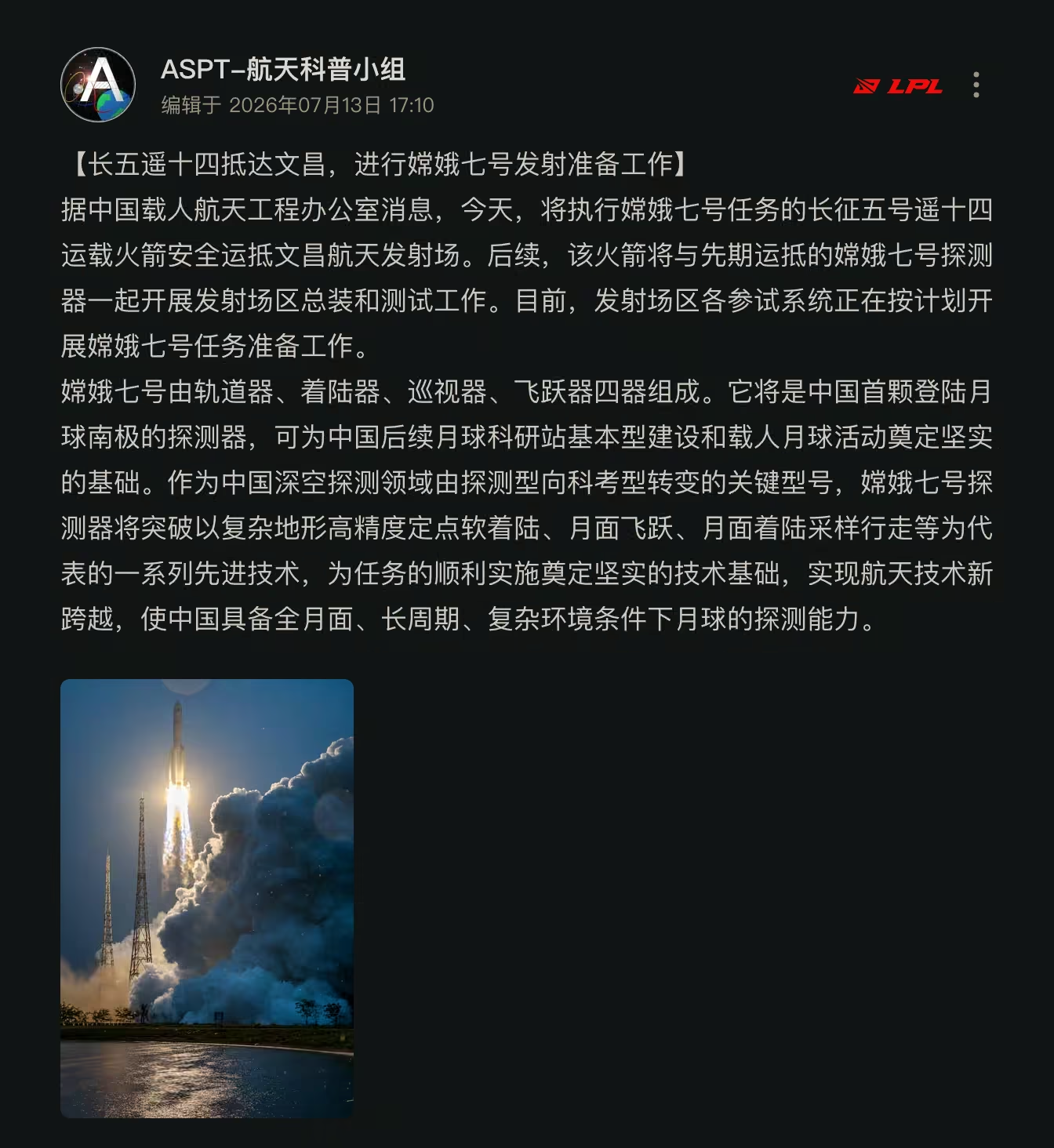
In mid-July I stumbled on the news that the Long March 5 Y14 rocket carrying Chang’e-7 had arrived at Wenchang, with rumours of a launch on 24 August. As a spaceflight enthusiast, back in my student days I would probably just have been excited and left it at that — after all, Chang’e-7 will be the first spacecraft to perform a rocket-powered hop on another world, the first to land at the true lunar south pole, and quite possibly the first to drill up water ice on the Moon. But now that I’m a working adult, my finances finally allow me to fly to Hainan and watch a launch in person. So I roped in @Jackchou00 and we made plans to go together.
Preparations
The evacuation zone around a launch is huge, so shooting the launch itself means a super-telephoto lens, and my own 70-300mm clearly wasn’t going to cut it. I decided to rent a Sigma 150-600mm, while Jackchou went ahead and bought one. Side note: L-mount super-telephotos are genuinely hard to rent — I had to try several shops before finding an L-mount copy. Since I was flying out of Singapore, renting locally was inconvenient, and the window for receiving a delivery in Hainan was too tight, so I’m very grateful to Jackchou for receiving the lens on my behalf and carrying it all the way to Hainan.
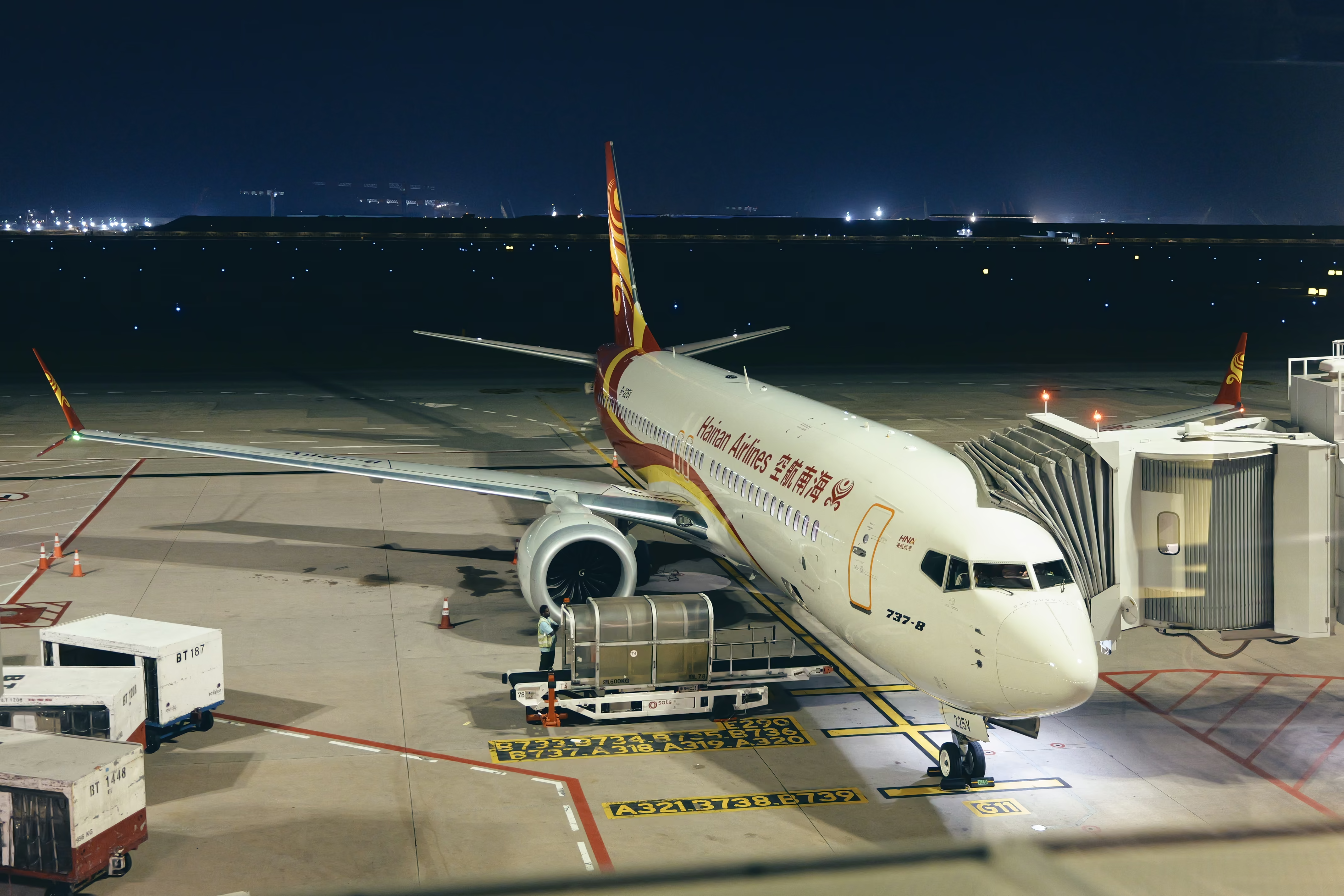
Next came flights and hotels. Among the Changi–Meilan round trips, the best balance of price, direct routing and annual-leave efficiency was a pair of Hainan Airlines red-eyes, so I decided to spend the first night in Haikou and head to Wenchang on the afternoon of the 23rd (the day before the originally planned launch). Wenchang accommodation was a bit frightening: the Hilton that supposedly goes for two or three hundred yuan on a normal night reportedly adds a zero and then doubles during launch week, and any guesthouse close enough to see the pad was four figures a night. In the end I picked one a bit further out — reasonably priced and still with a view of the pad — and booked both the 24th and the 25th, since launch delays are the most normal thing in the world (and thus a flag was planted).
A Discordant Note
On the evening of 10 August 2026, a Long March 7A (CZ-7A), also launching from Wenchang, failed: some time into first-stage flight it suffered a rapid unscheduled disassembly (in other words, it blew up). Spaceflight fans wailed in unison. The YF-77 problem on Long March 5 had once led to the famous 908-day stand-down; if this time the 7A’s YF-100 had to be grounded, then every new-generation kerolox rocket — Long March 7, 5, 8, 10 and 12 — would be dragged in. And with the Zhuque-3 Y2 launch planned for the next day cancelled as well, people started wondering whether Chinese spaceflight was heading into its darkest hour. (ZQ-3 Y2 later launched successfully on the 19th and was recovered.)
That said, the 7A’s RUD happened near max-Q, which made people suspect structural strength instead: the 7A is a Long March 7 with a third stage added on, China’s most slender rocket, and it may well have hit wind shear. Leaked infrared footage later backed this up — the vehicle broke apart around the third stage. As of writing there is still no official cause, but the subsequent Long March 12 launch, plus the planned flight of a Long March 6C with strap-on boosters, suggest the failure had little impact on the rest of the new-generation family.

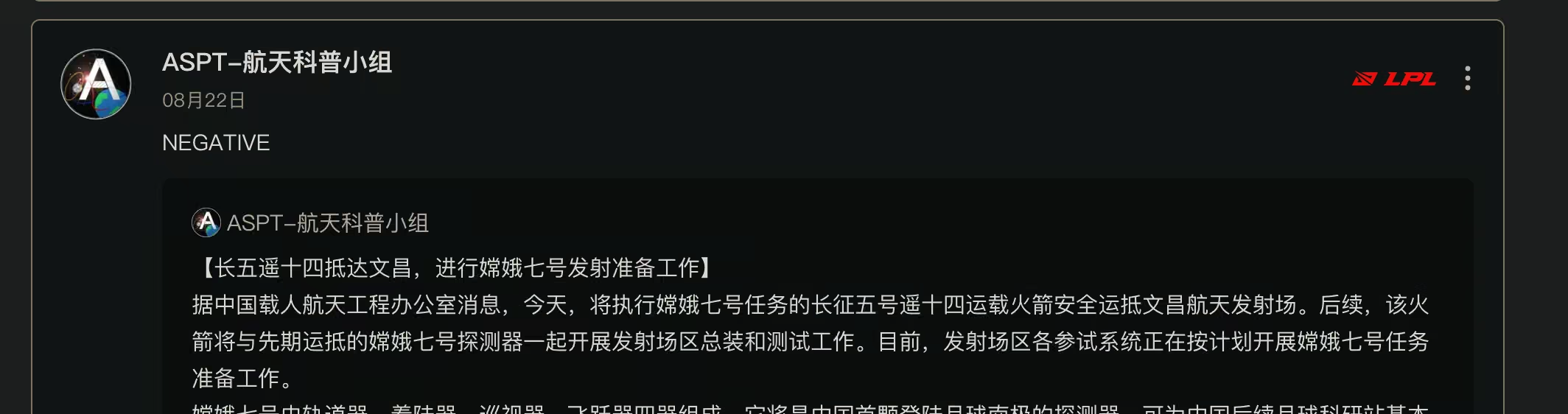
Then more and more rumours pointed to Chang’e-7 launching on schedule. Finally, on 19 August, Long March 5 Y14 rolled out to the launch area.
Haikou
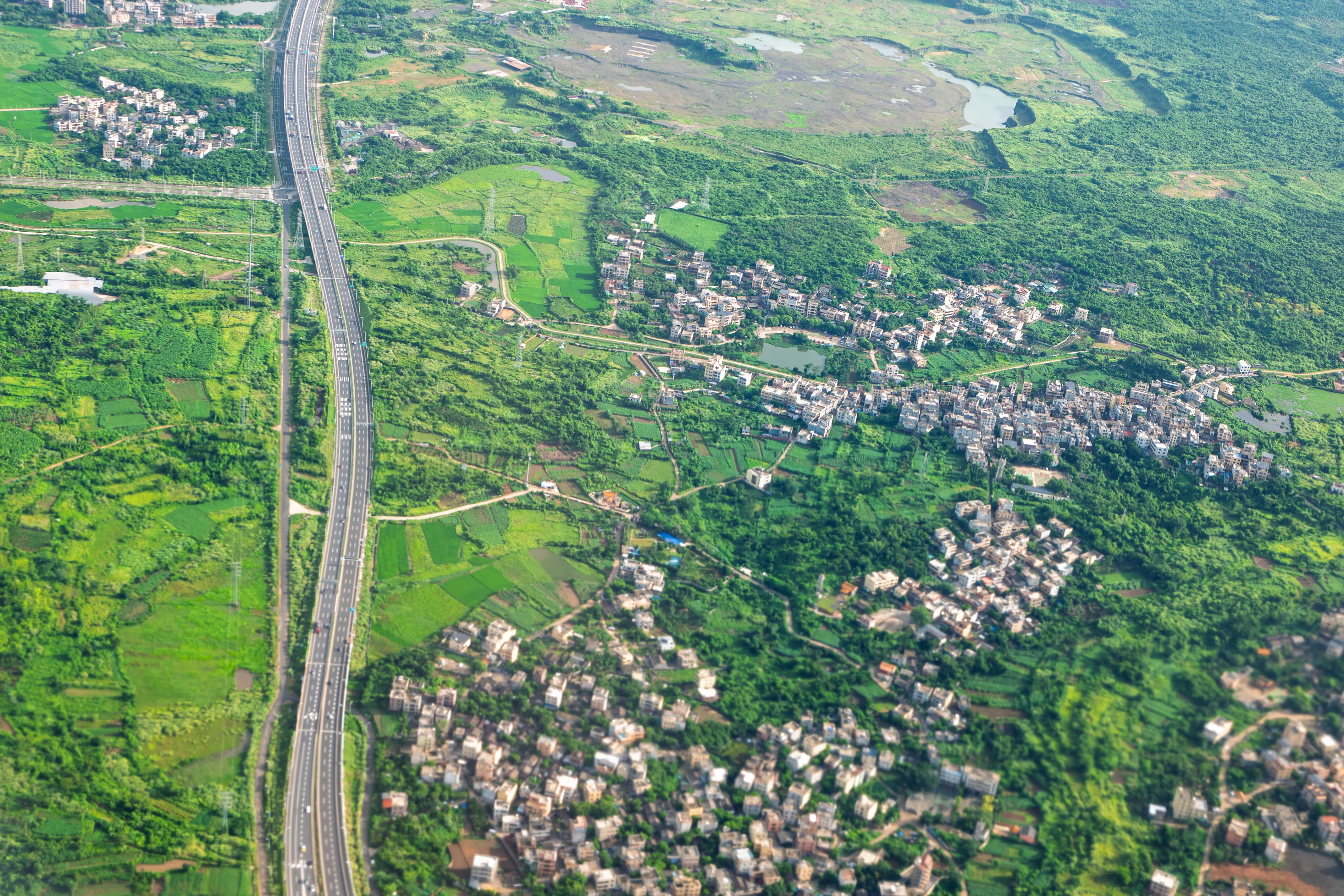
In the early hours of 22 August we left Singapore for Haikou.
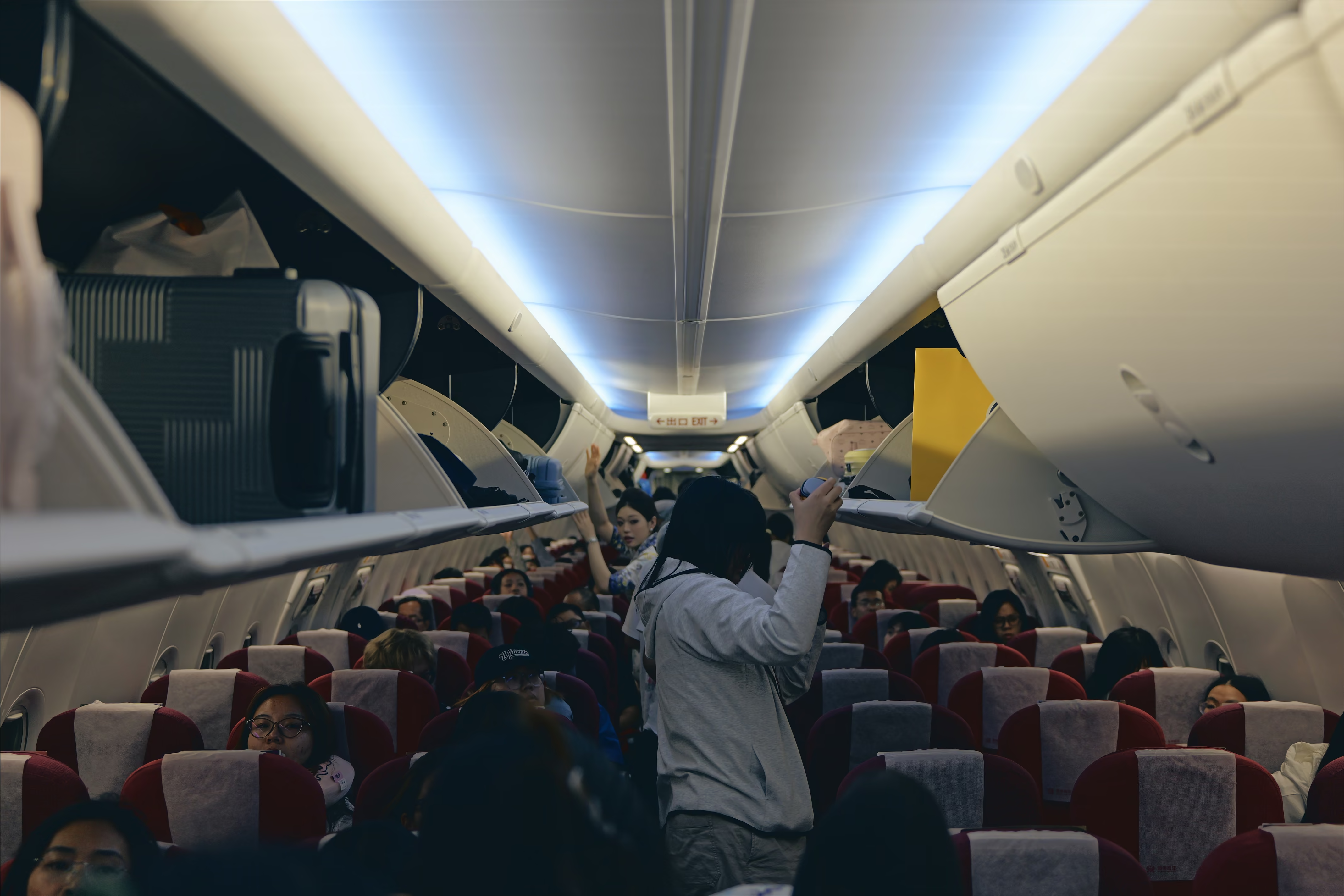
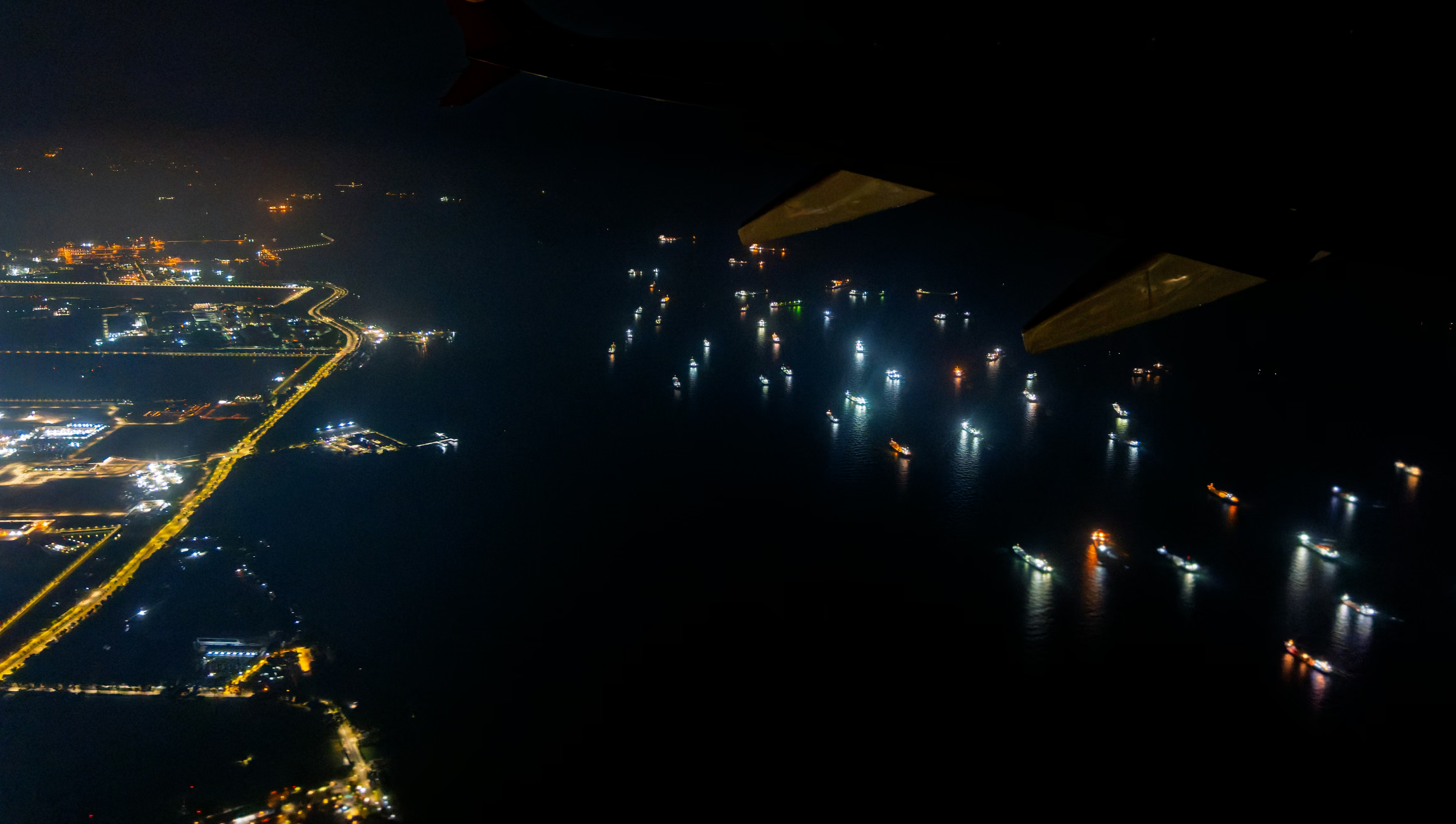
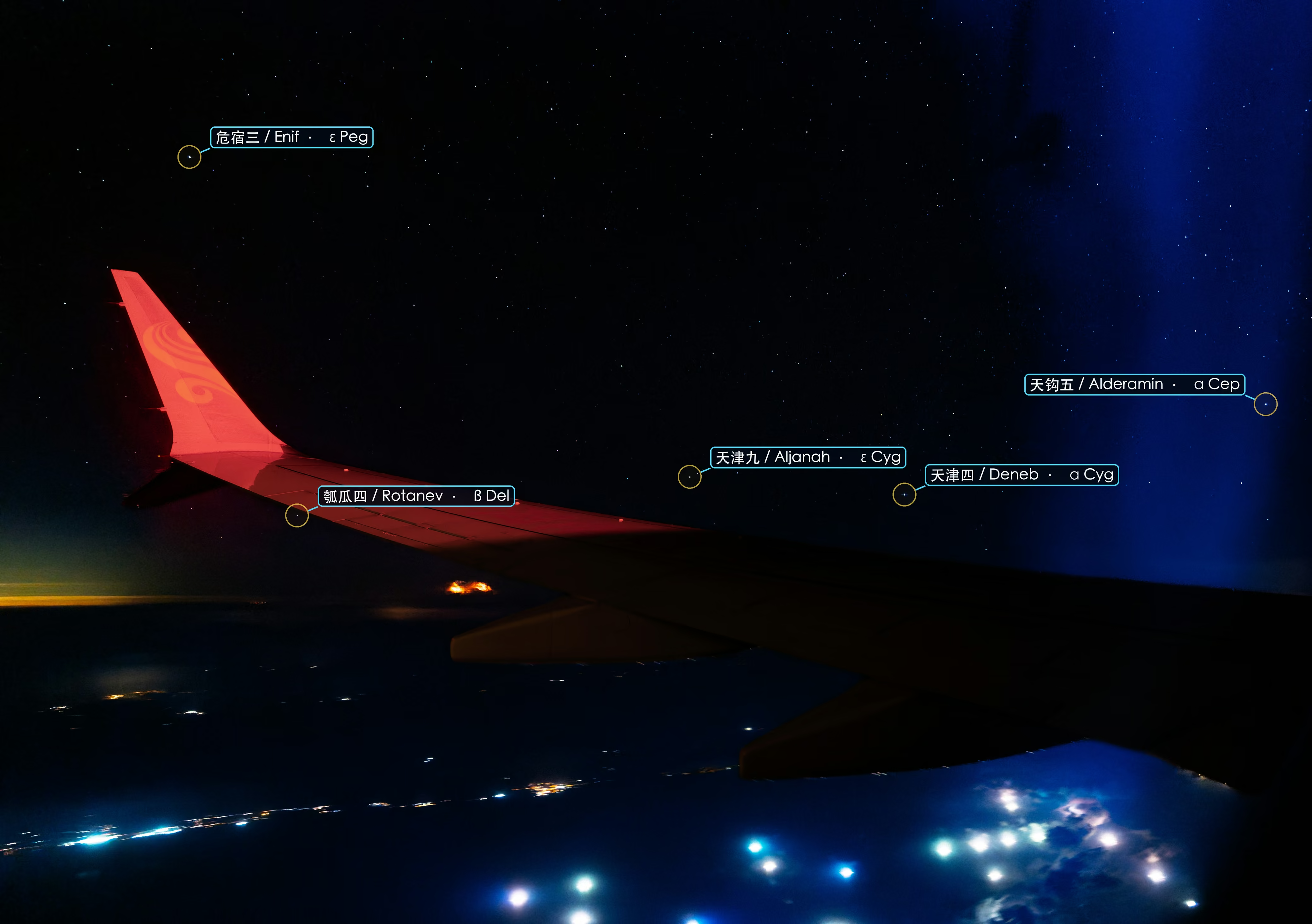
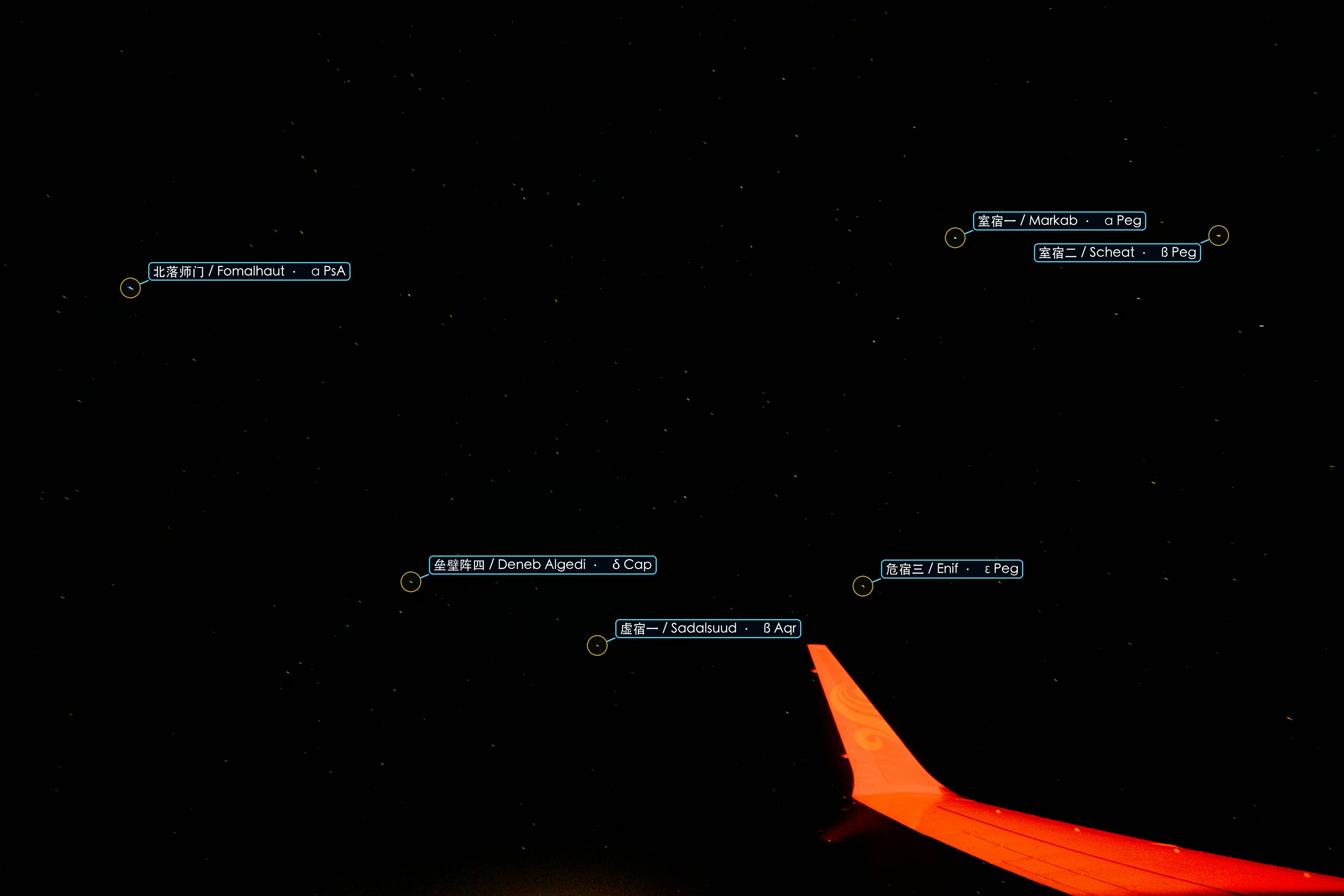
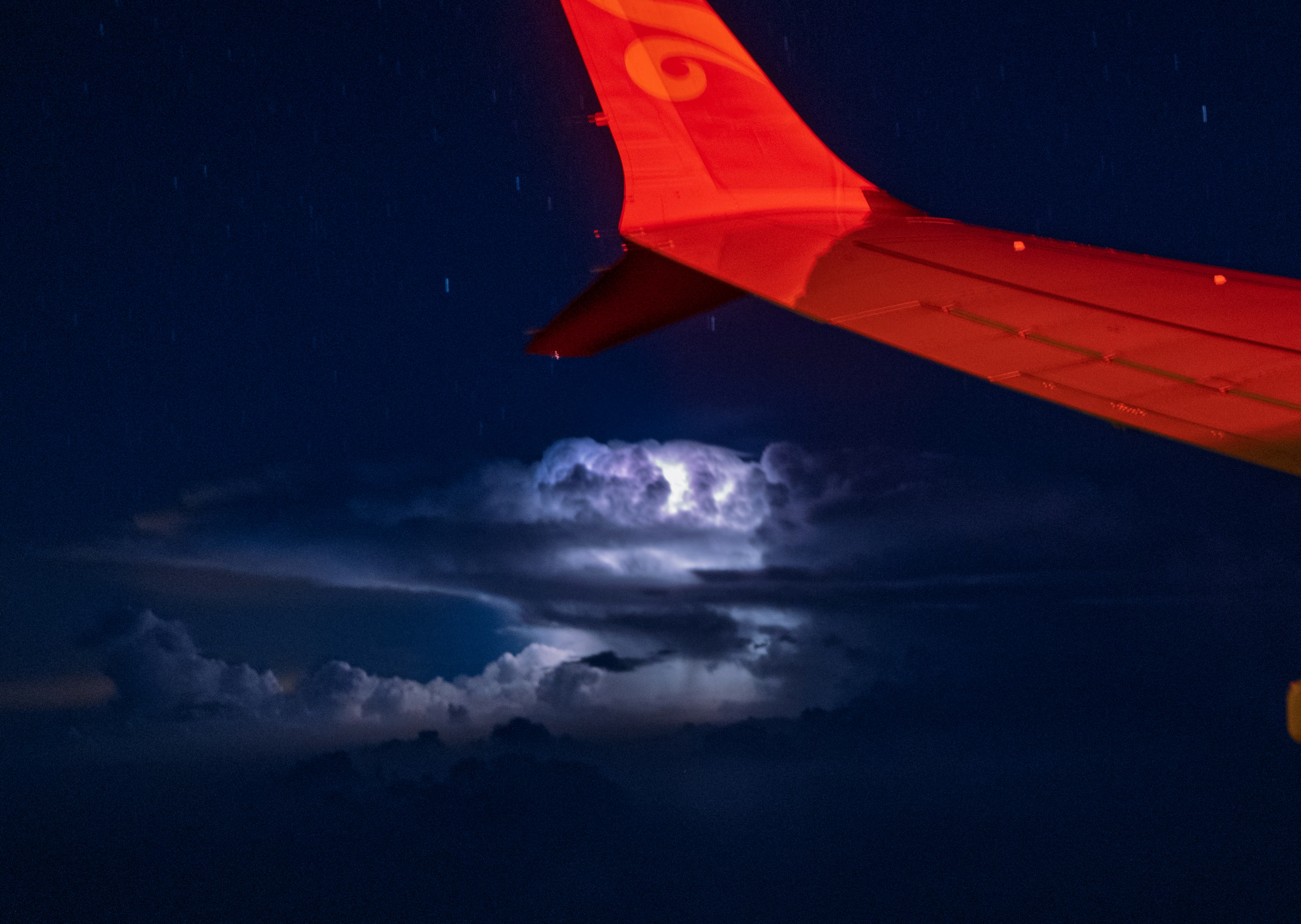
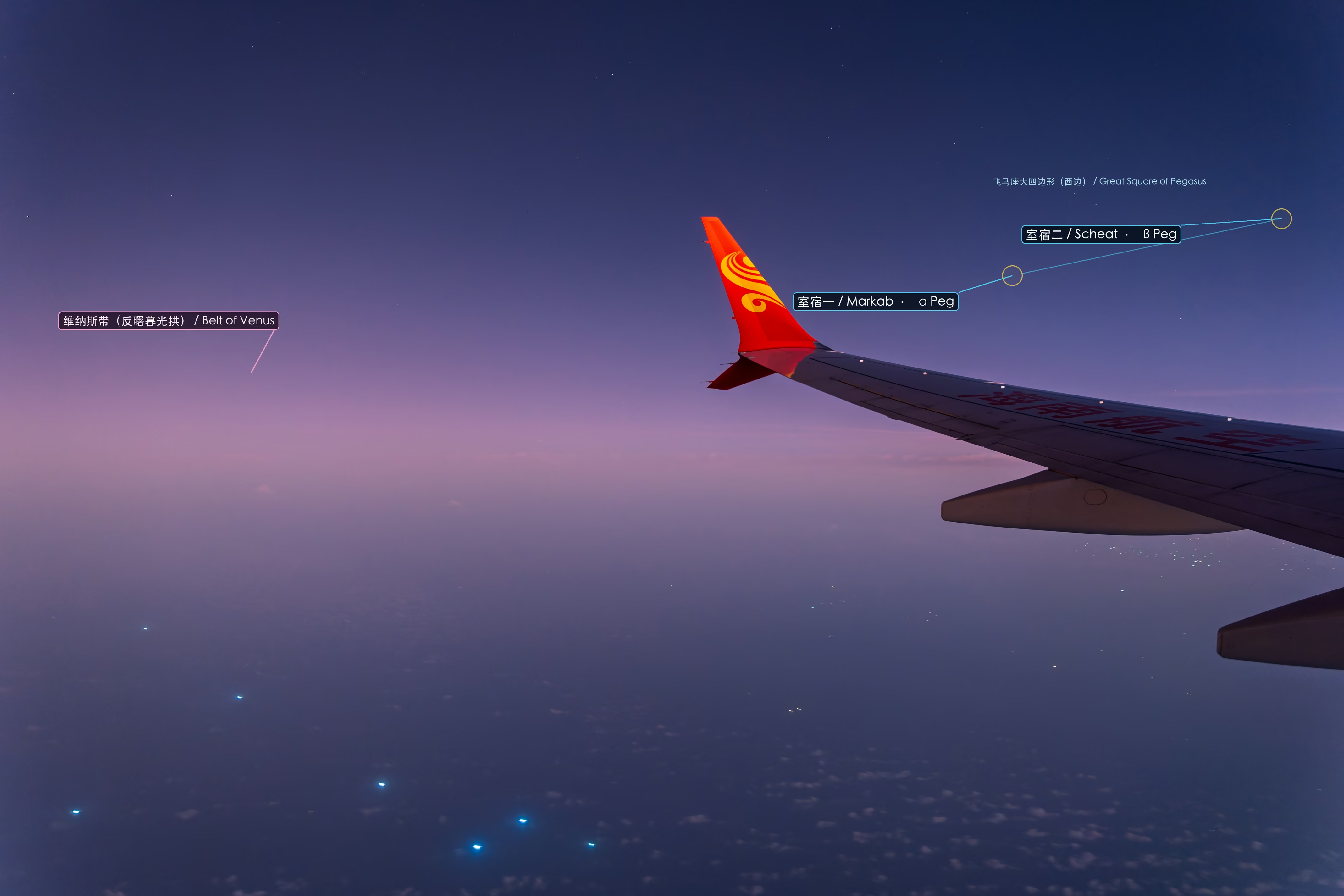
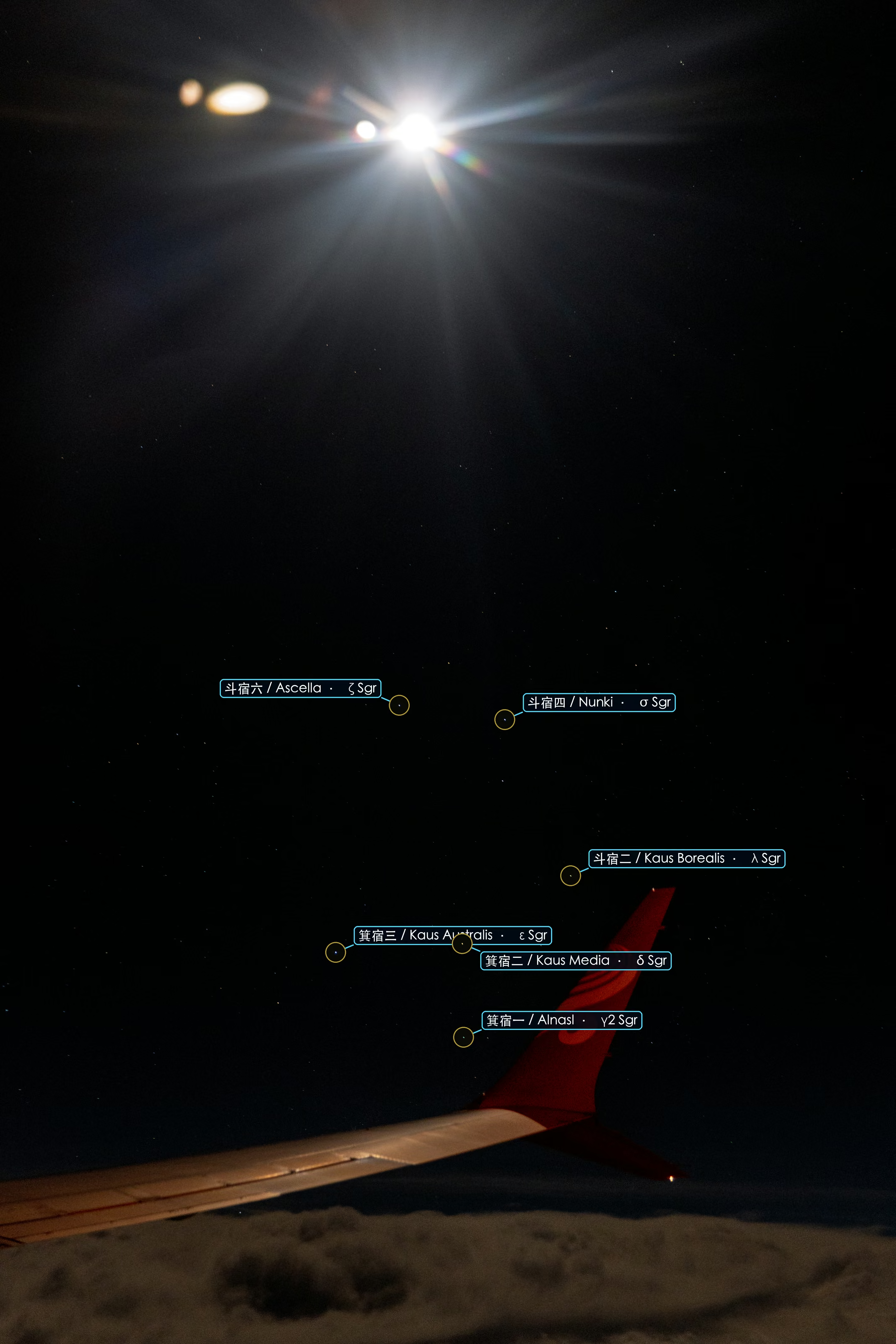
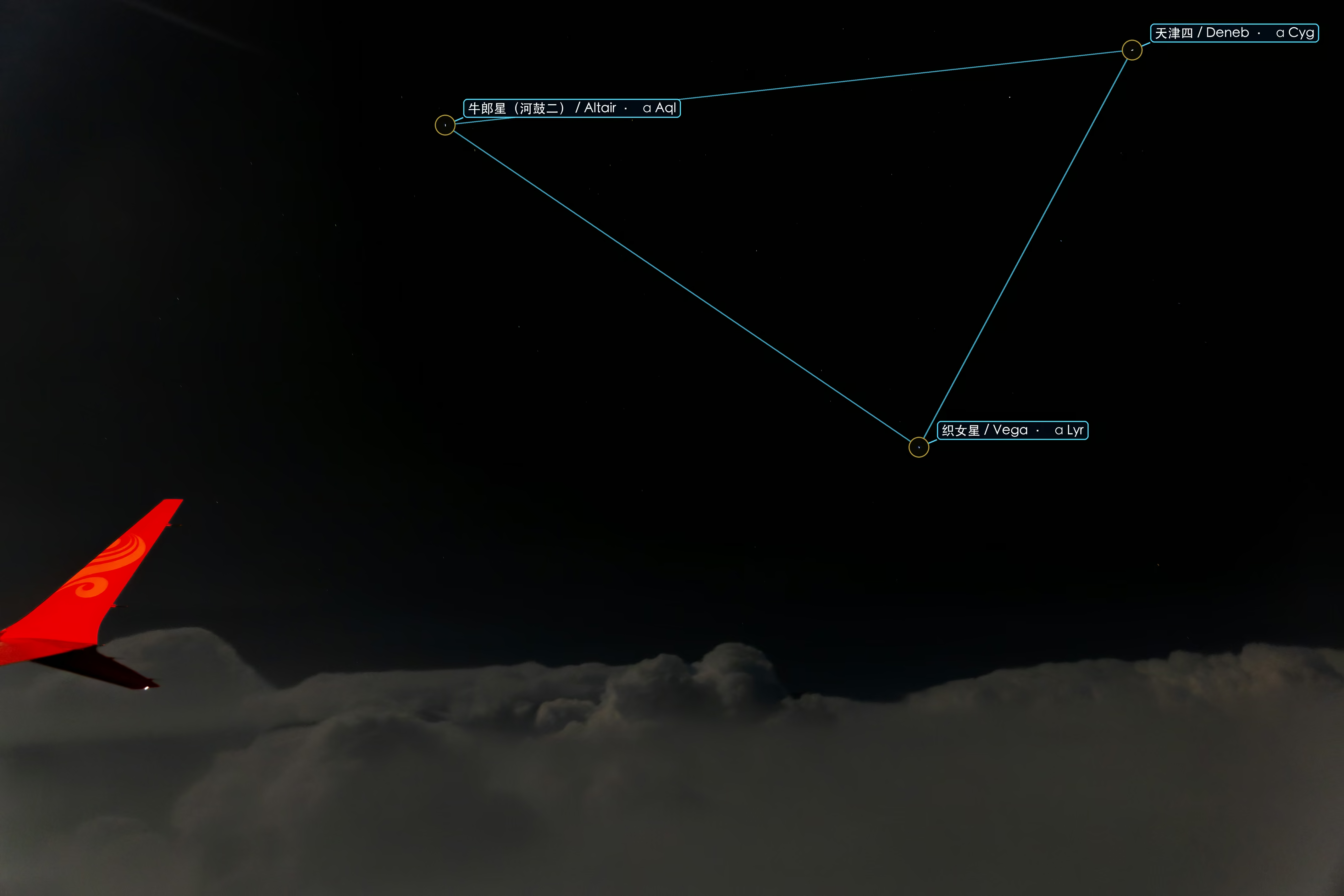
Taking advantage of escaping a badly light-polluted country, I shot a lot of night sky from the plane, and caught the Belt of Venus before landing. The star fields were all plate-solved and annotated by Codex Sol.

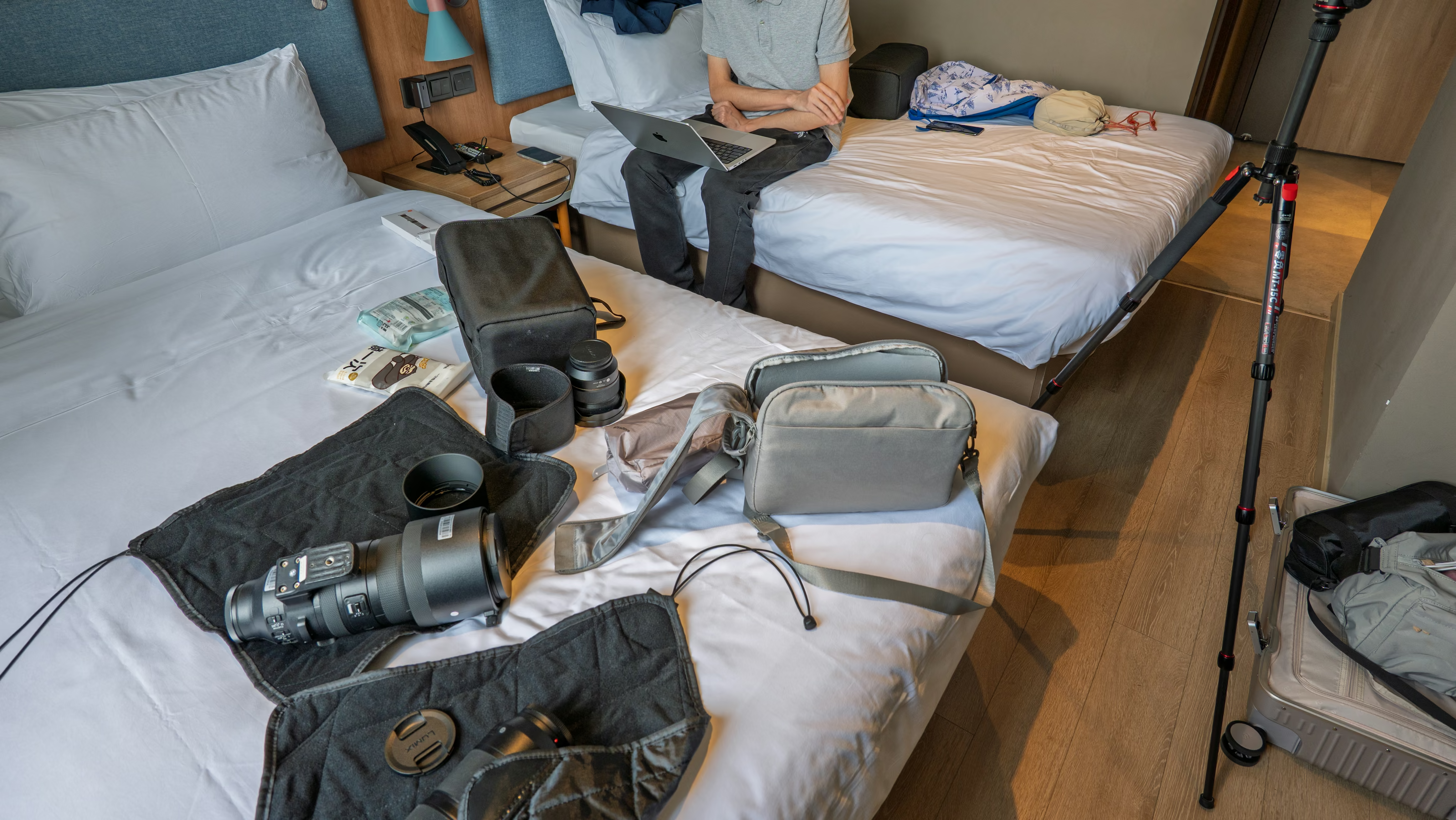
After checking into the hotel in Haikou, a quick inventory of the gear.
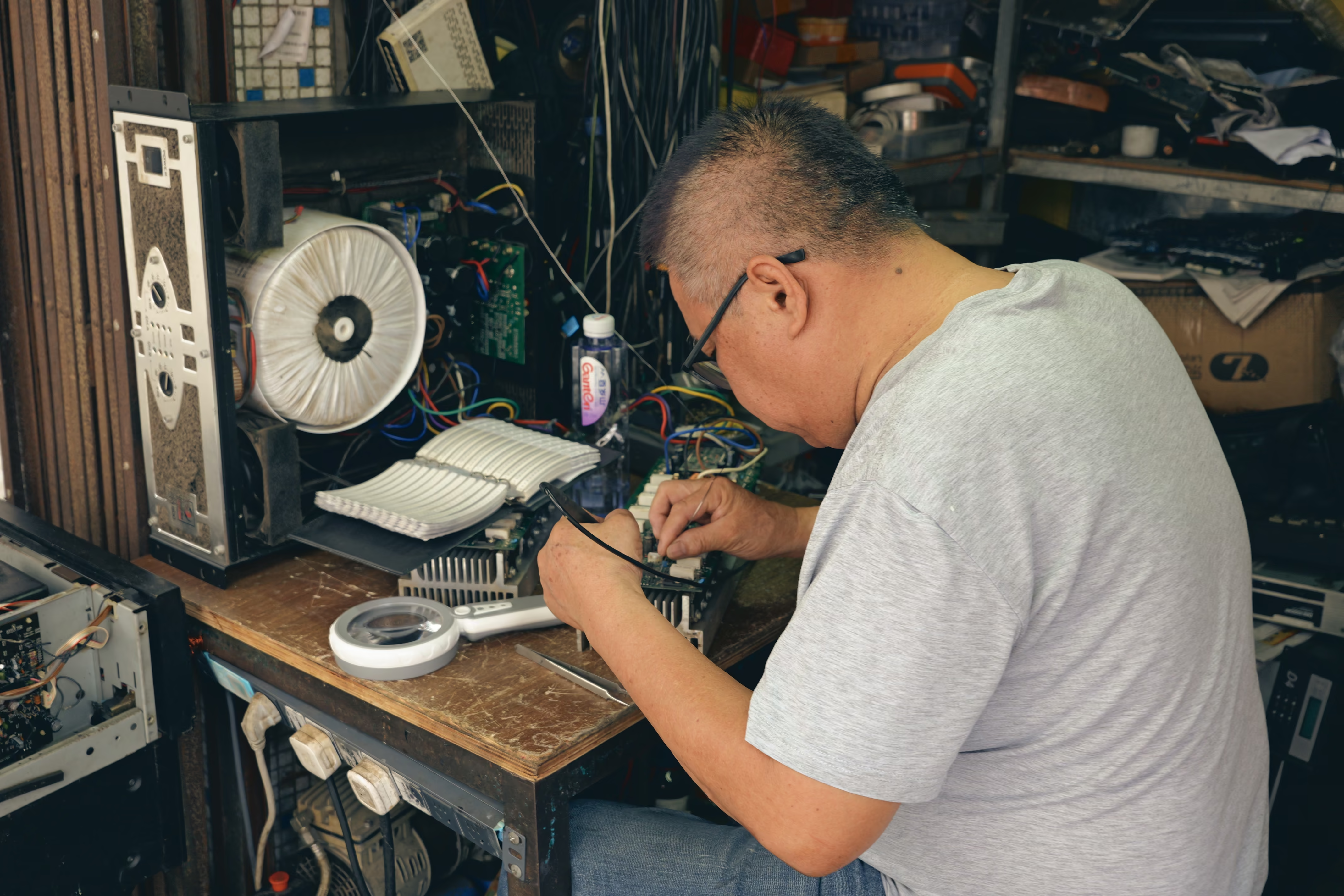
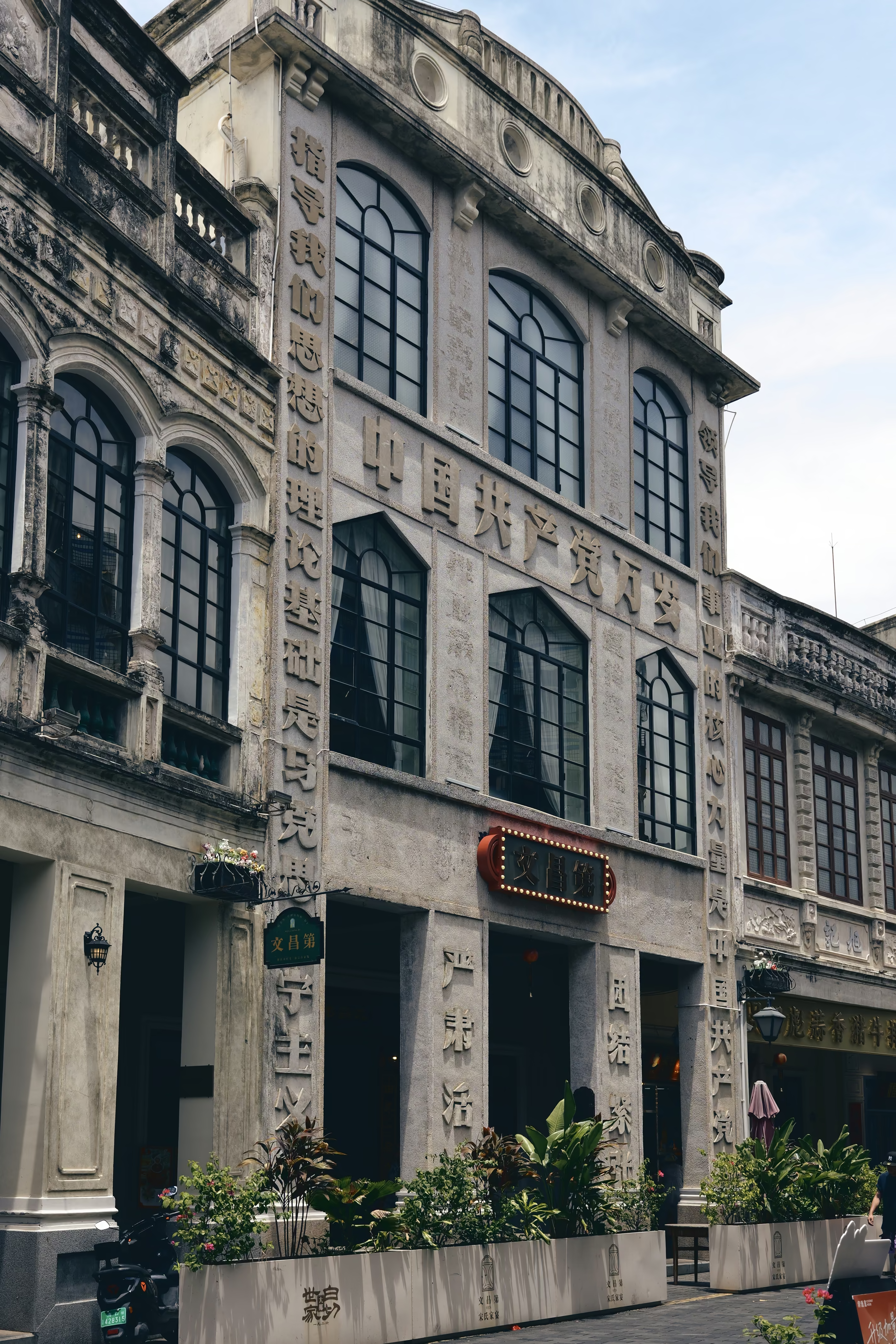
In the afternoon we headed for Haikou’s Qilou Old Street. The whole district is full of everyday life, much like the county towns of Jiangsu and Zhejiang a decade or so ago, before online shopping and food delivery took over; the qilou architecture itself looks a lot like the old shophouse districts around Singapore’s Chinatown — I suppose Nanyang shares the same roots. “Qilou” seems to mean a building whose ground floor is set back to leave a public arcade; the same idea is common in my hometown in northern Zhejiang, just in a completely different style from the Nanyang one.
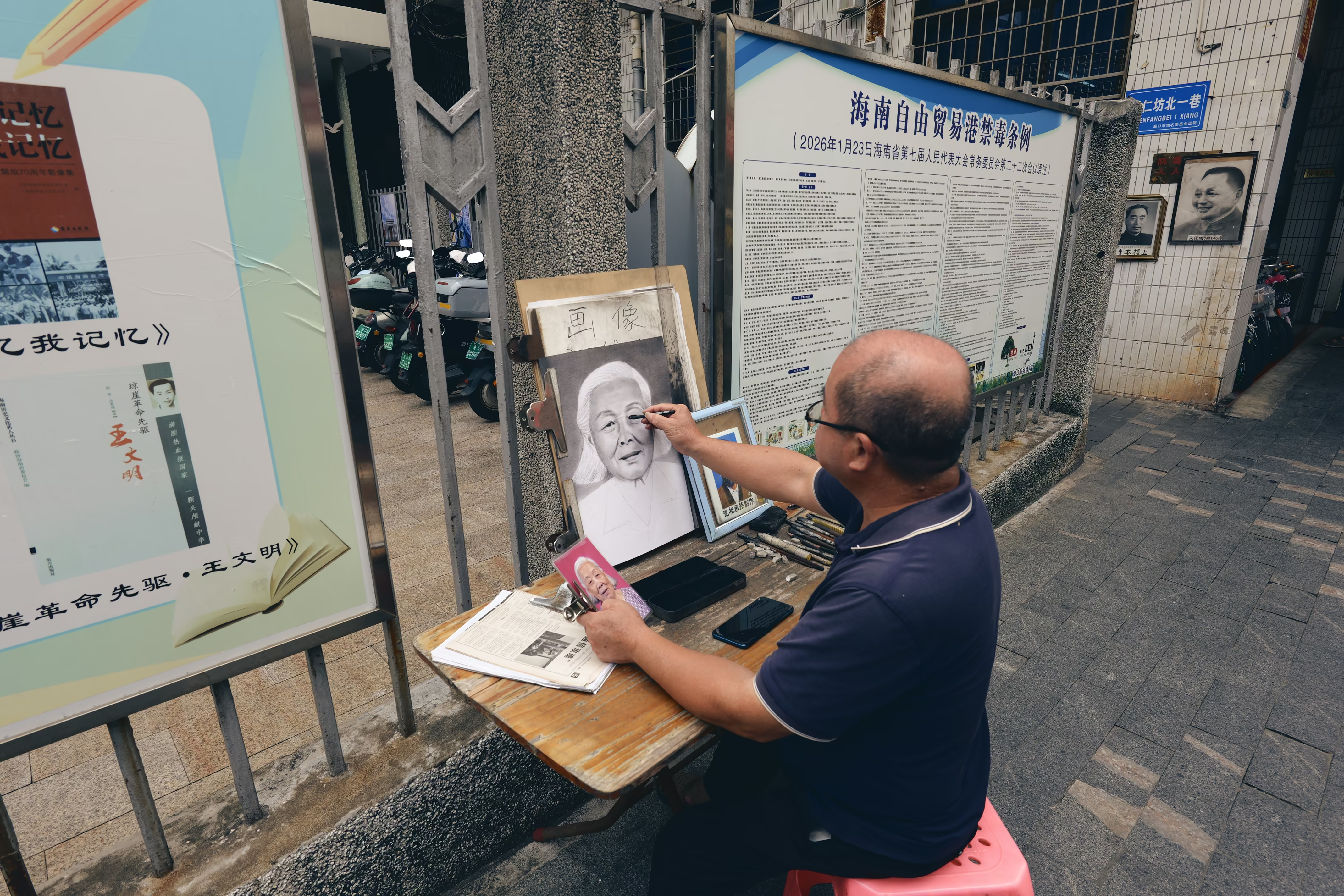
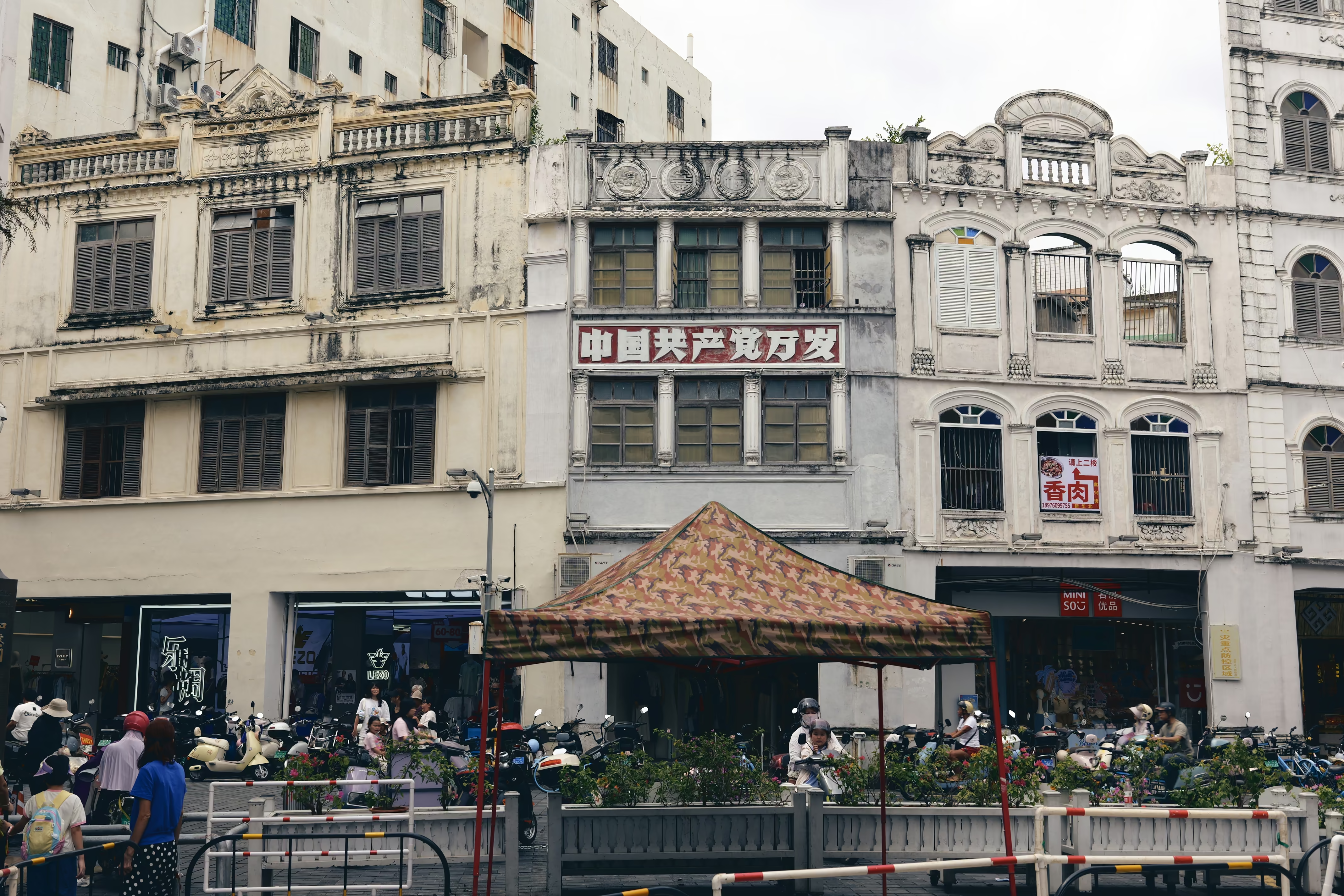

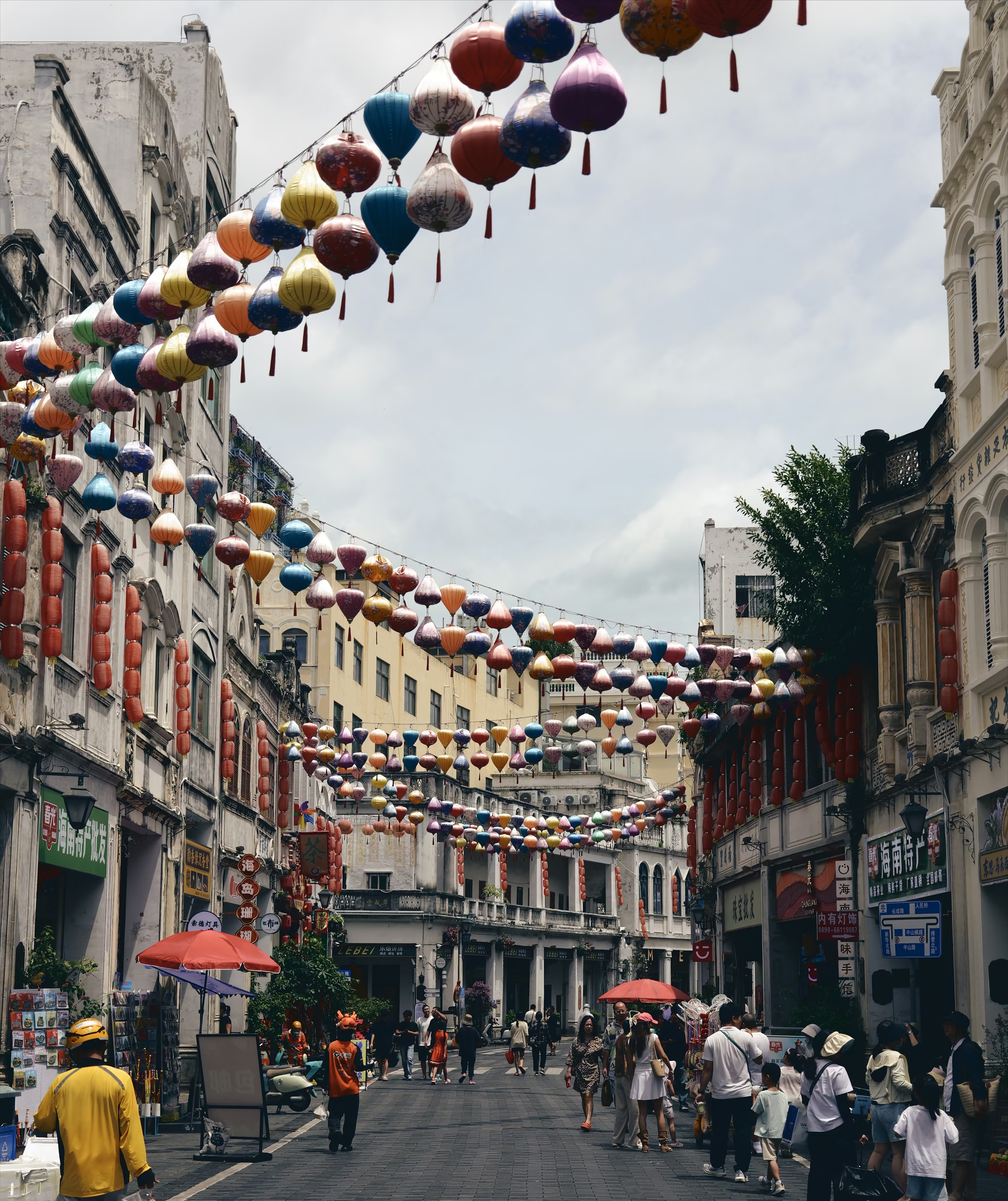
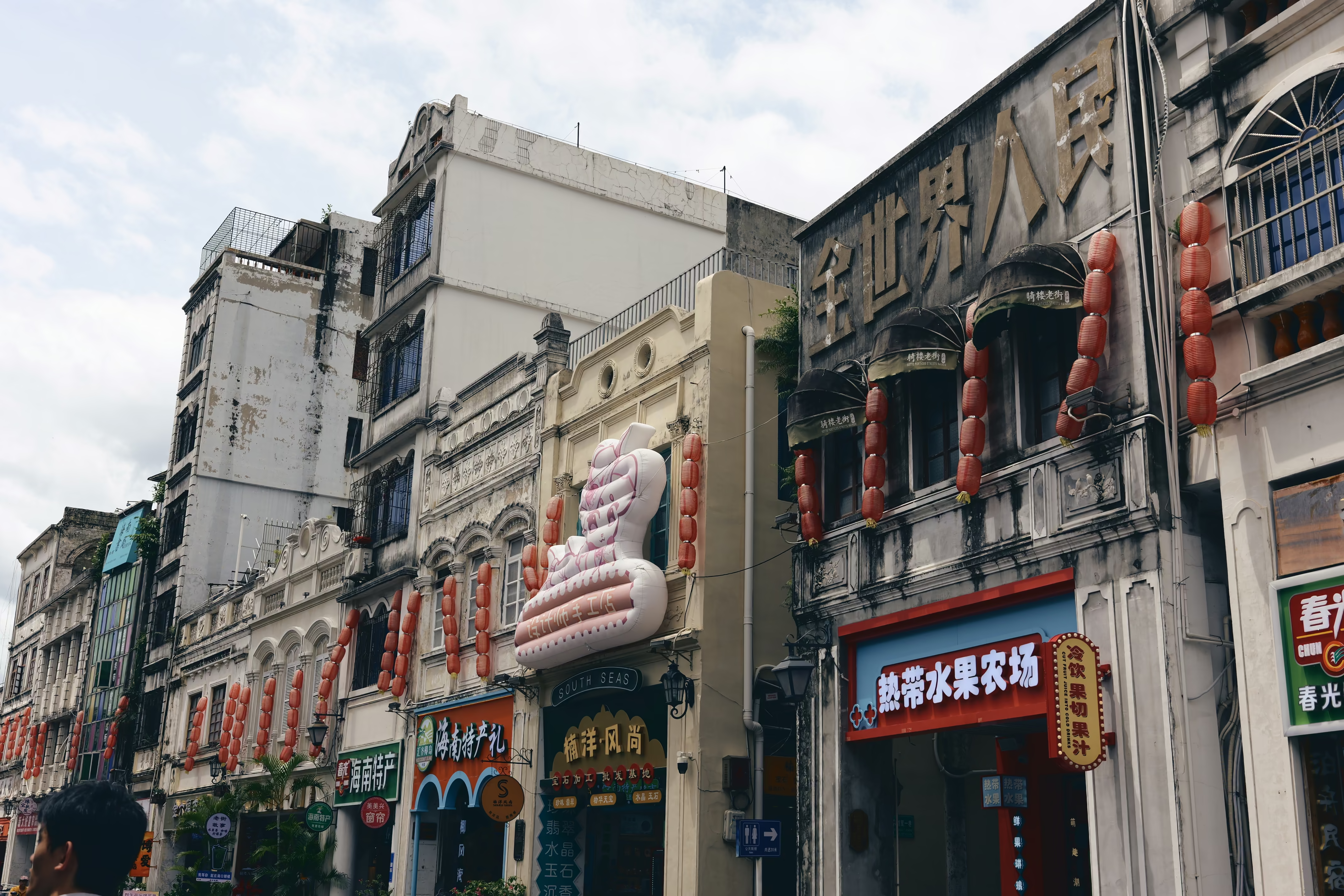
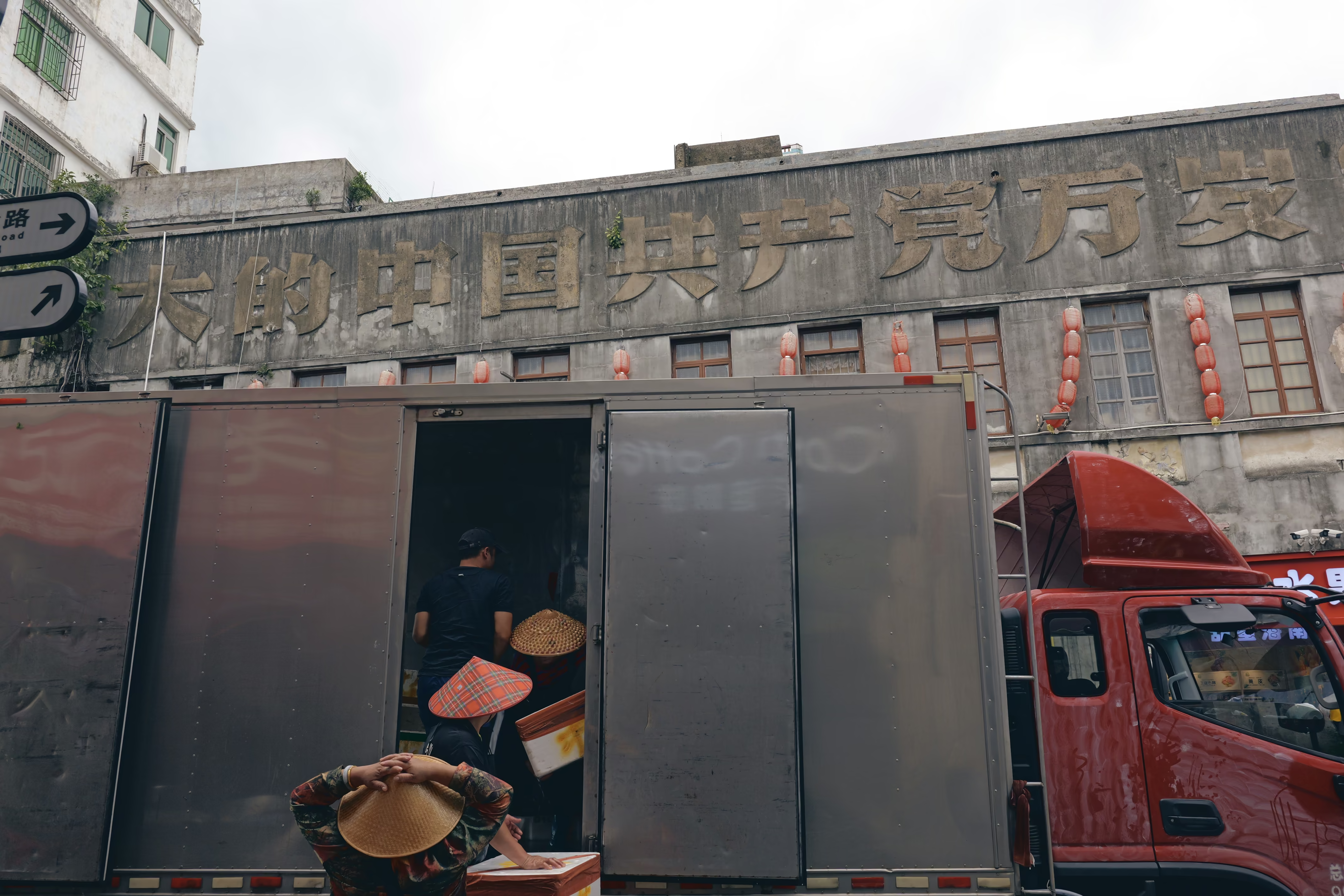
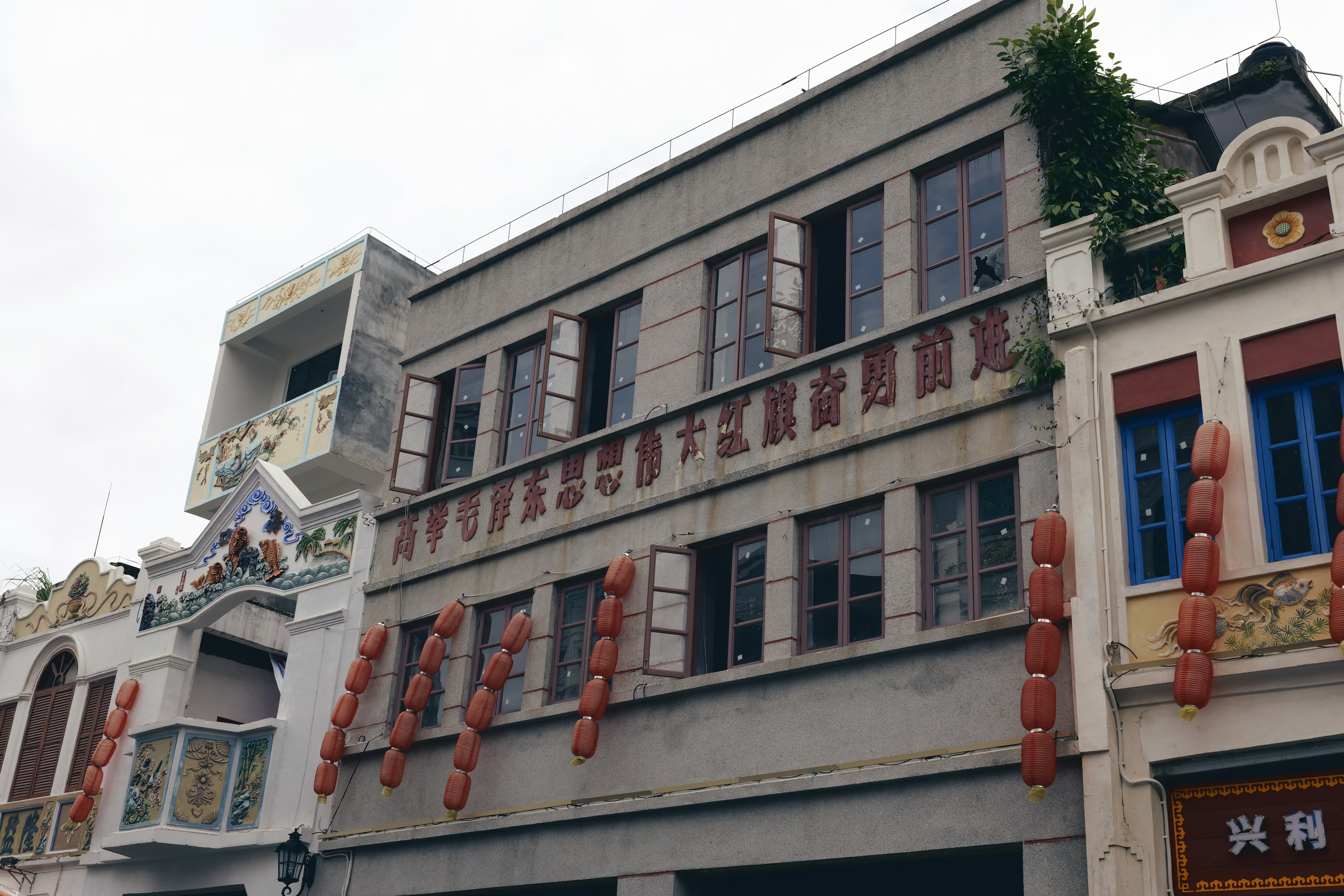
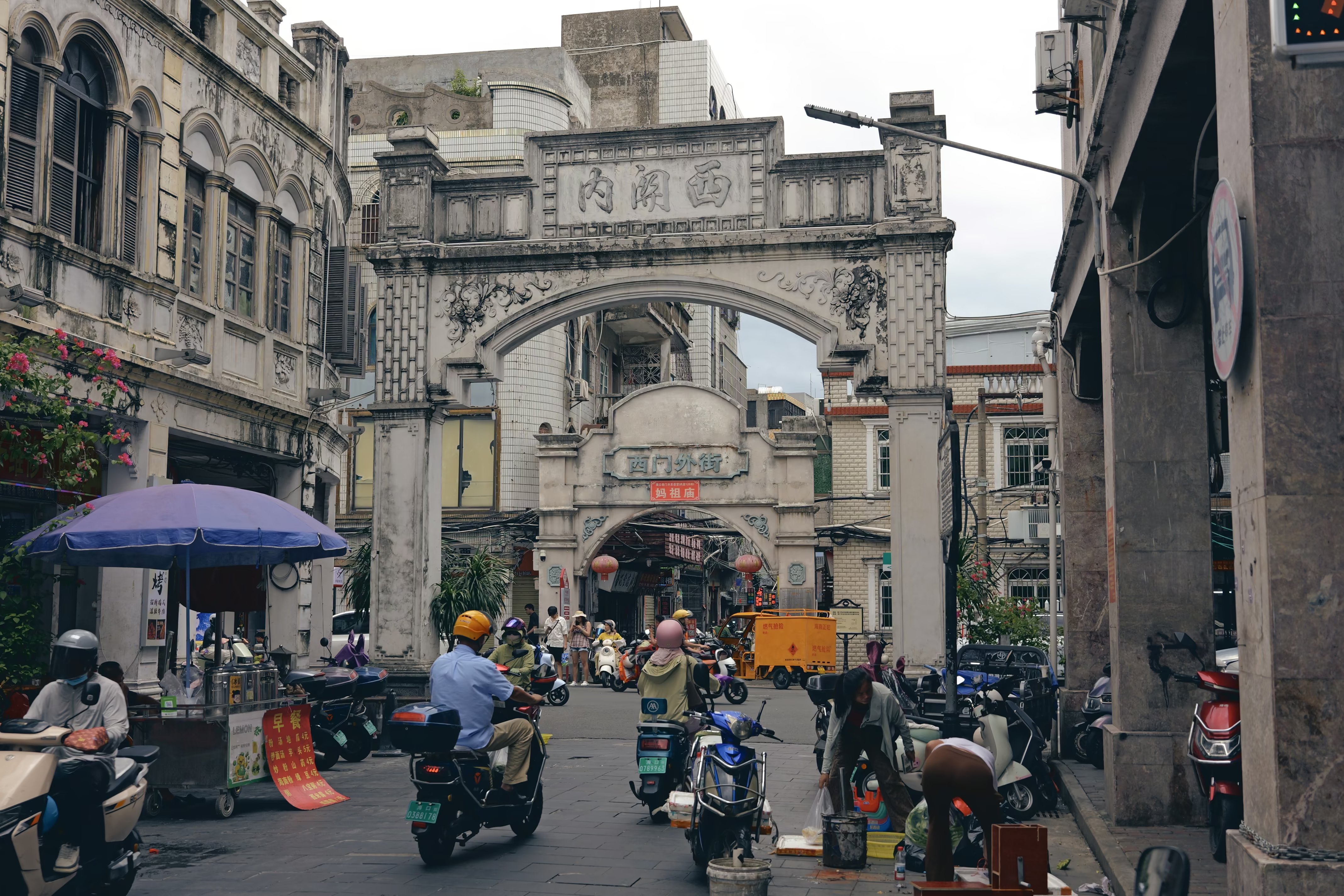
One obvious difference from Singapore: the buildings here are covered in slogans.
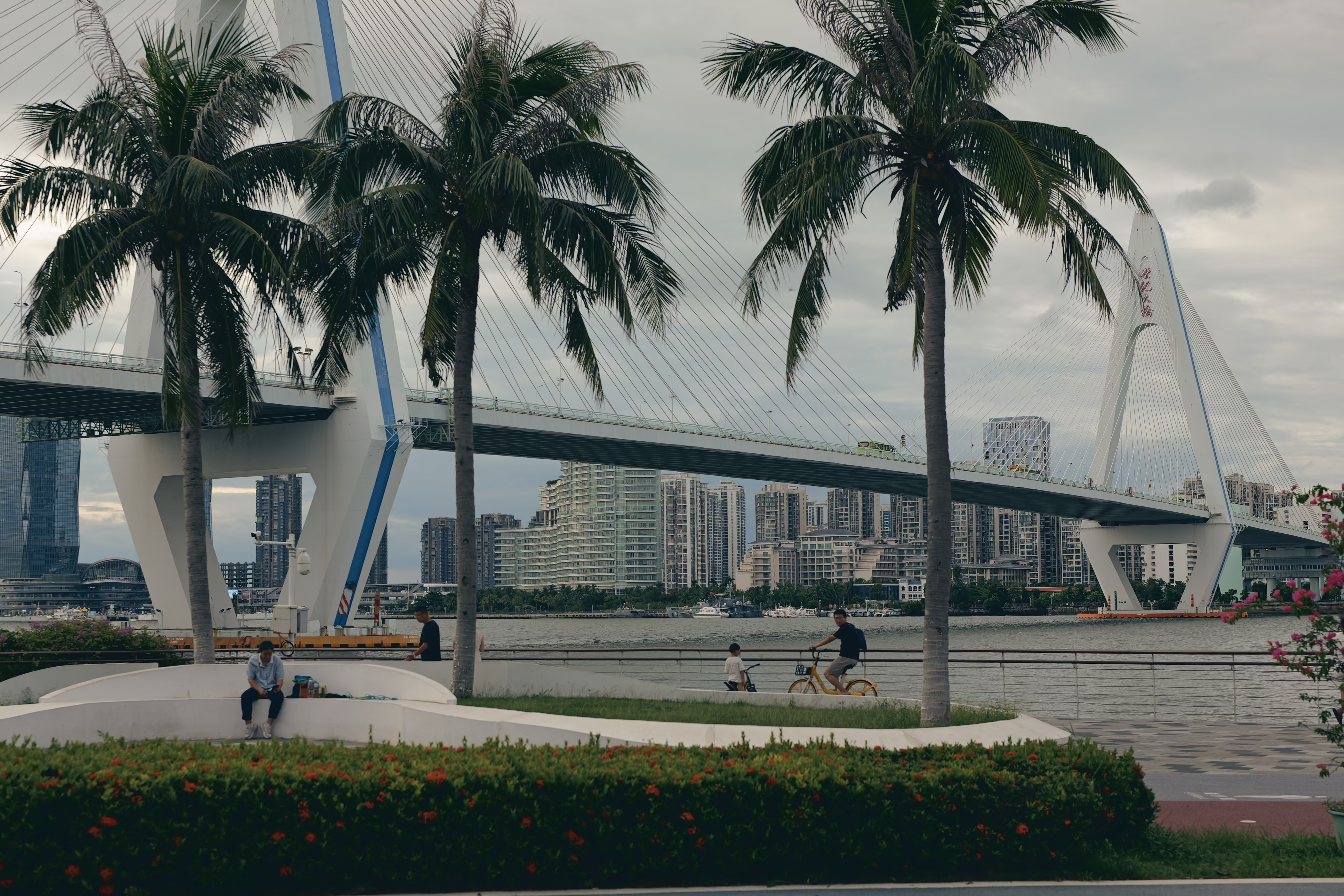
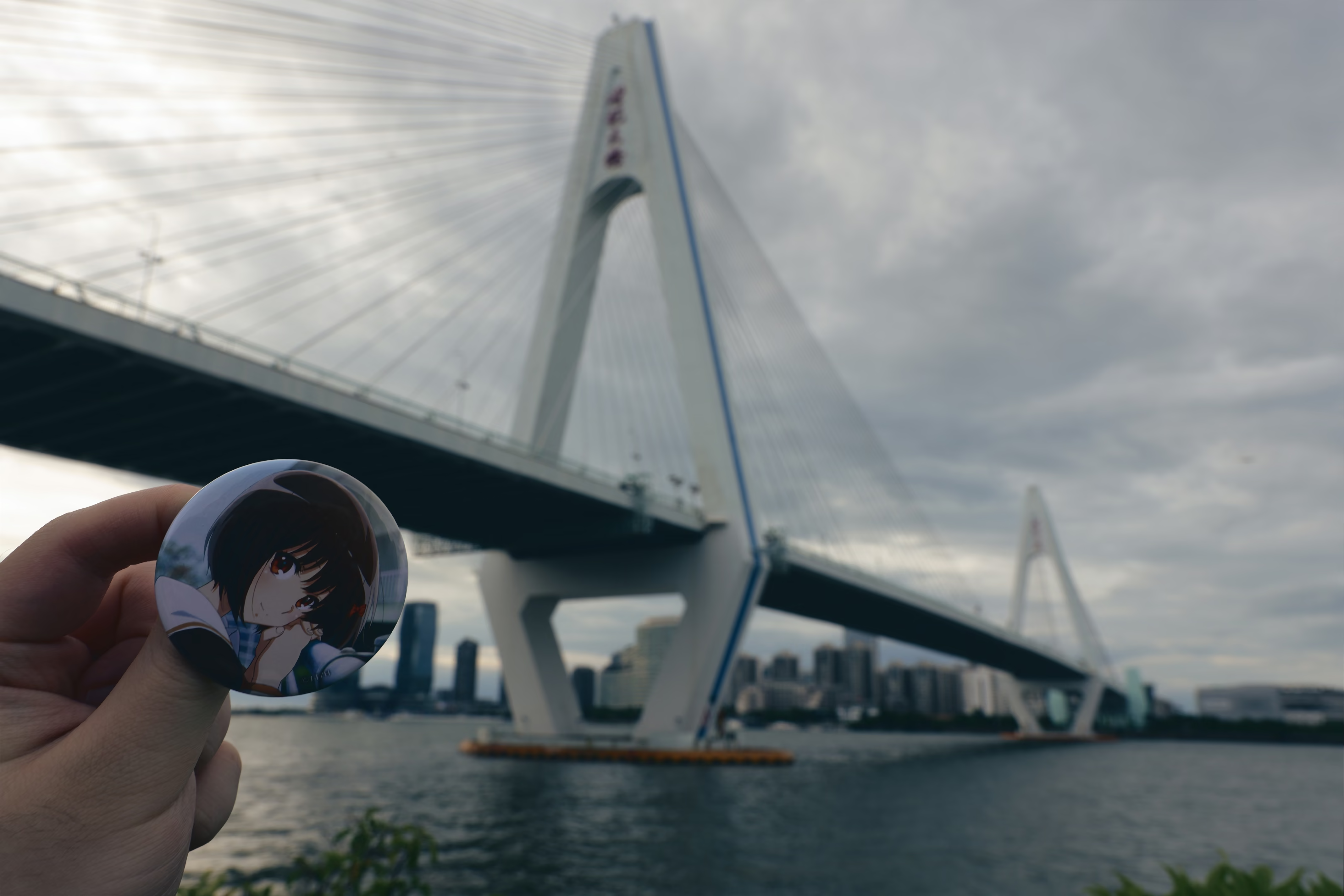
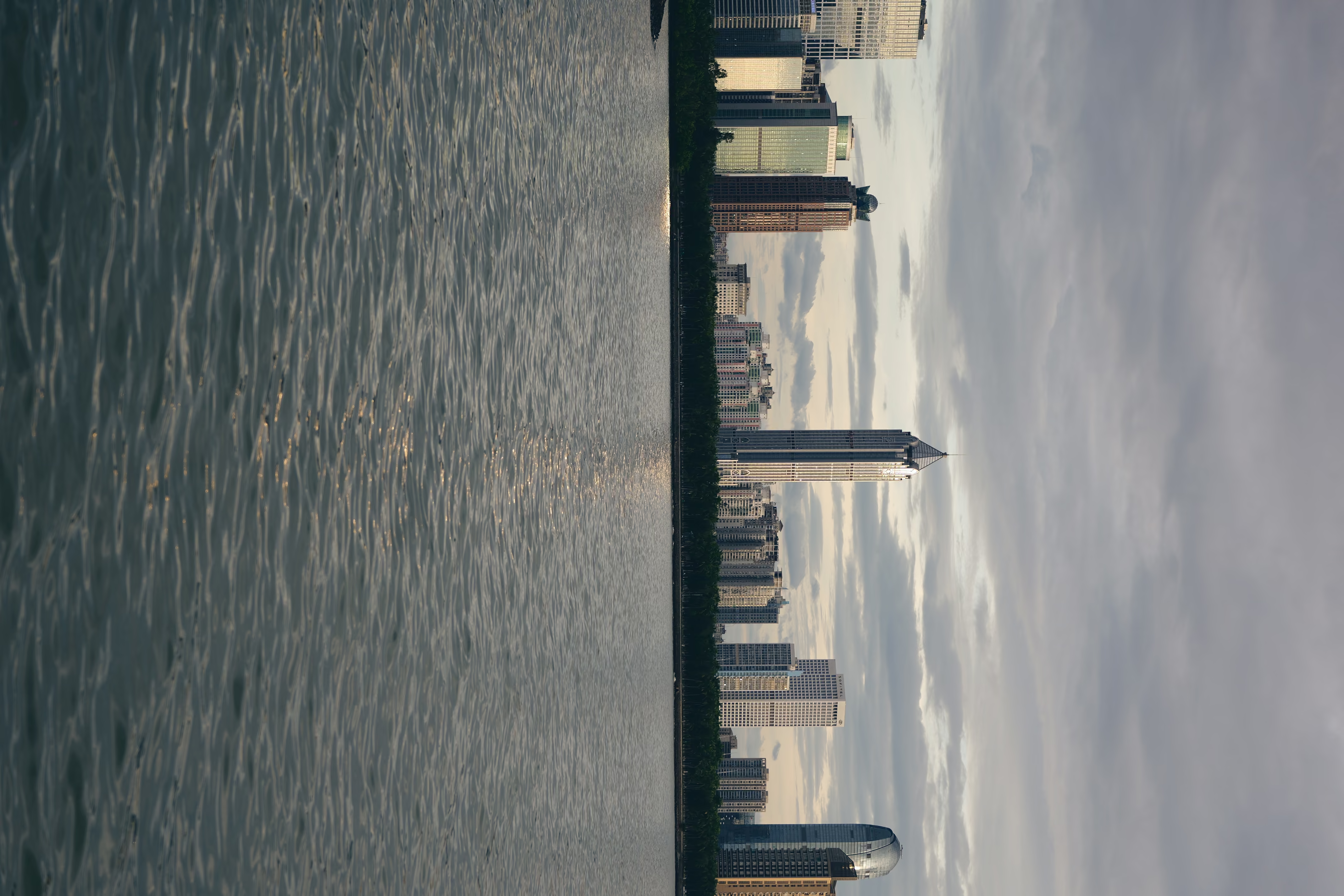
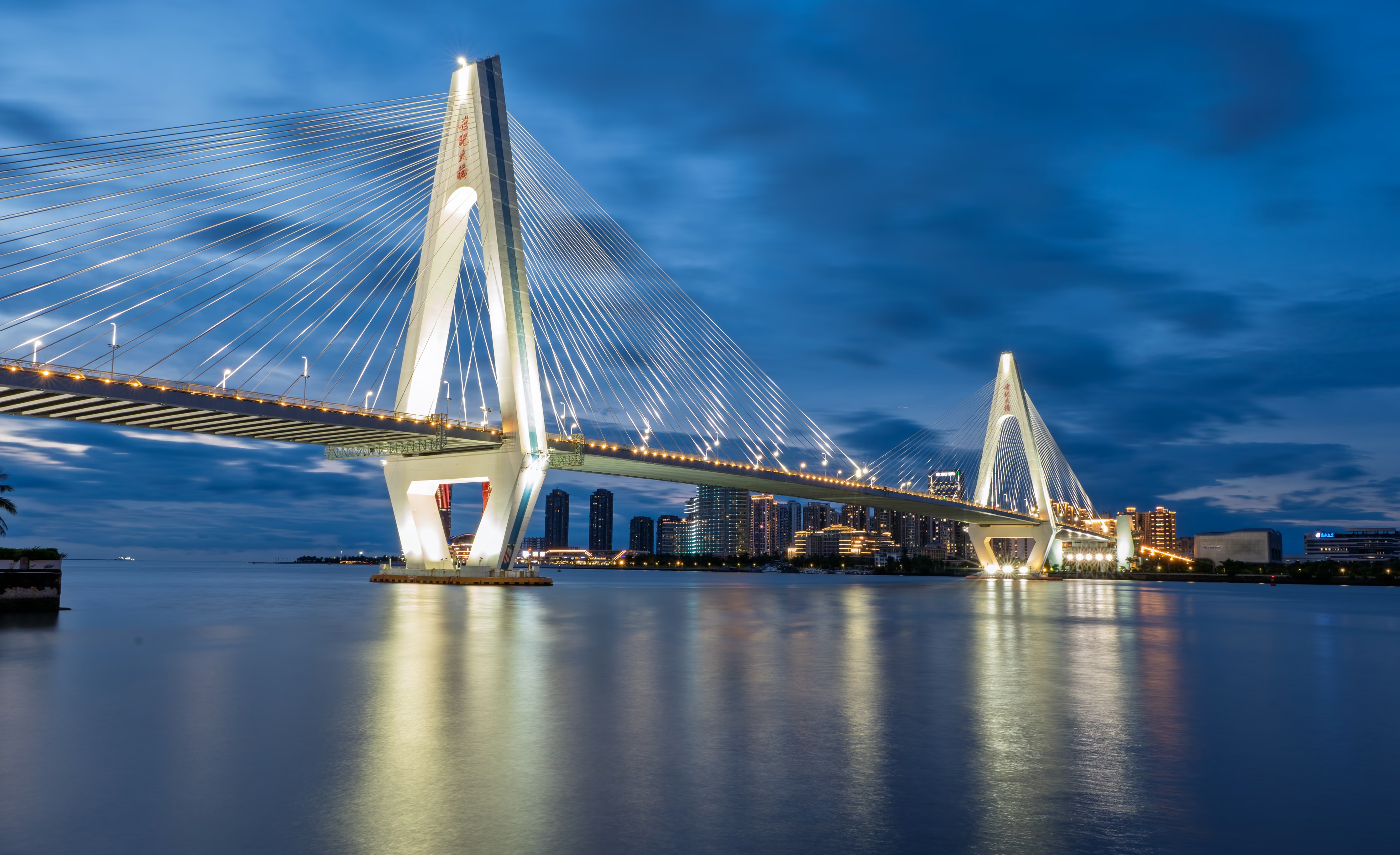
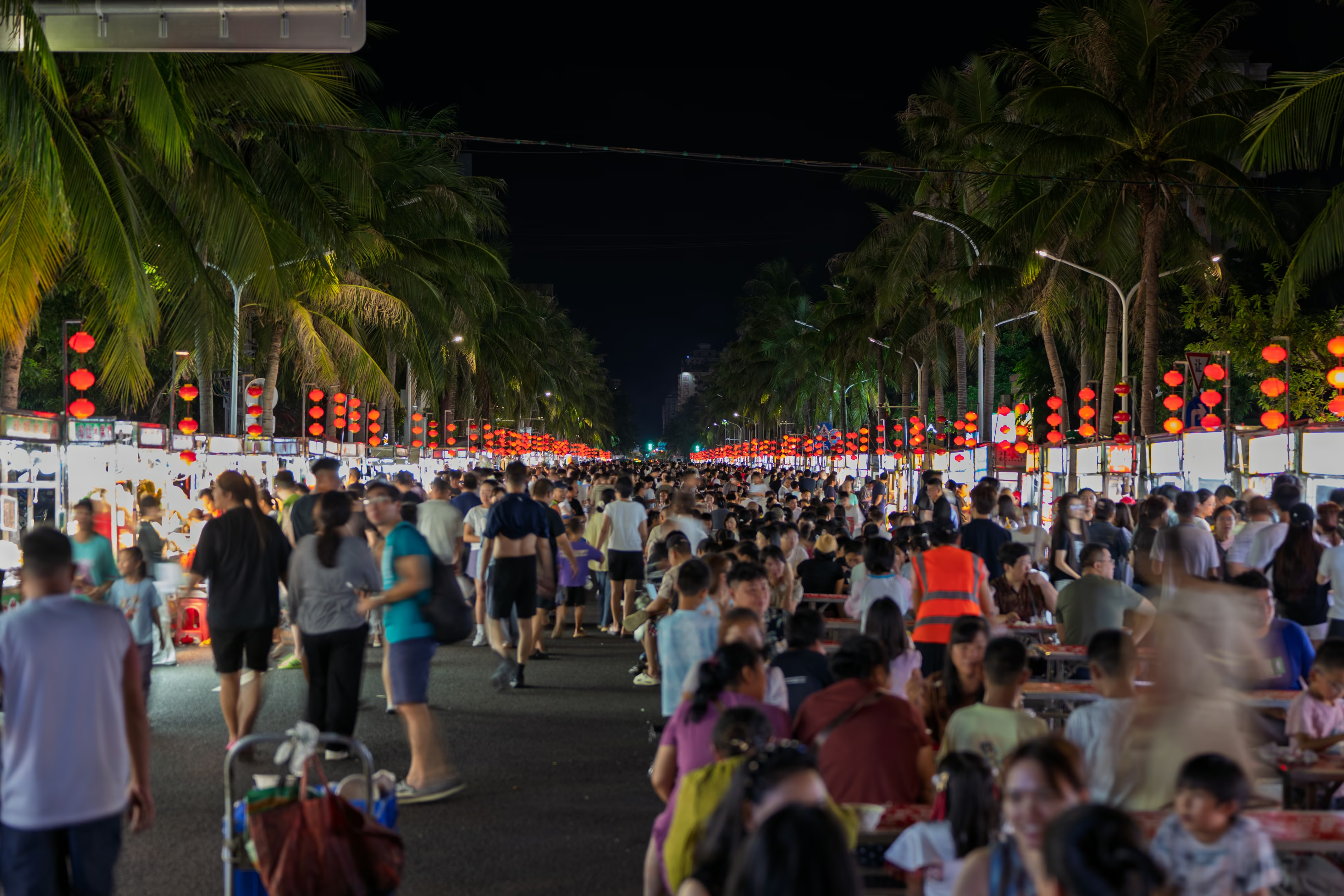
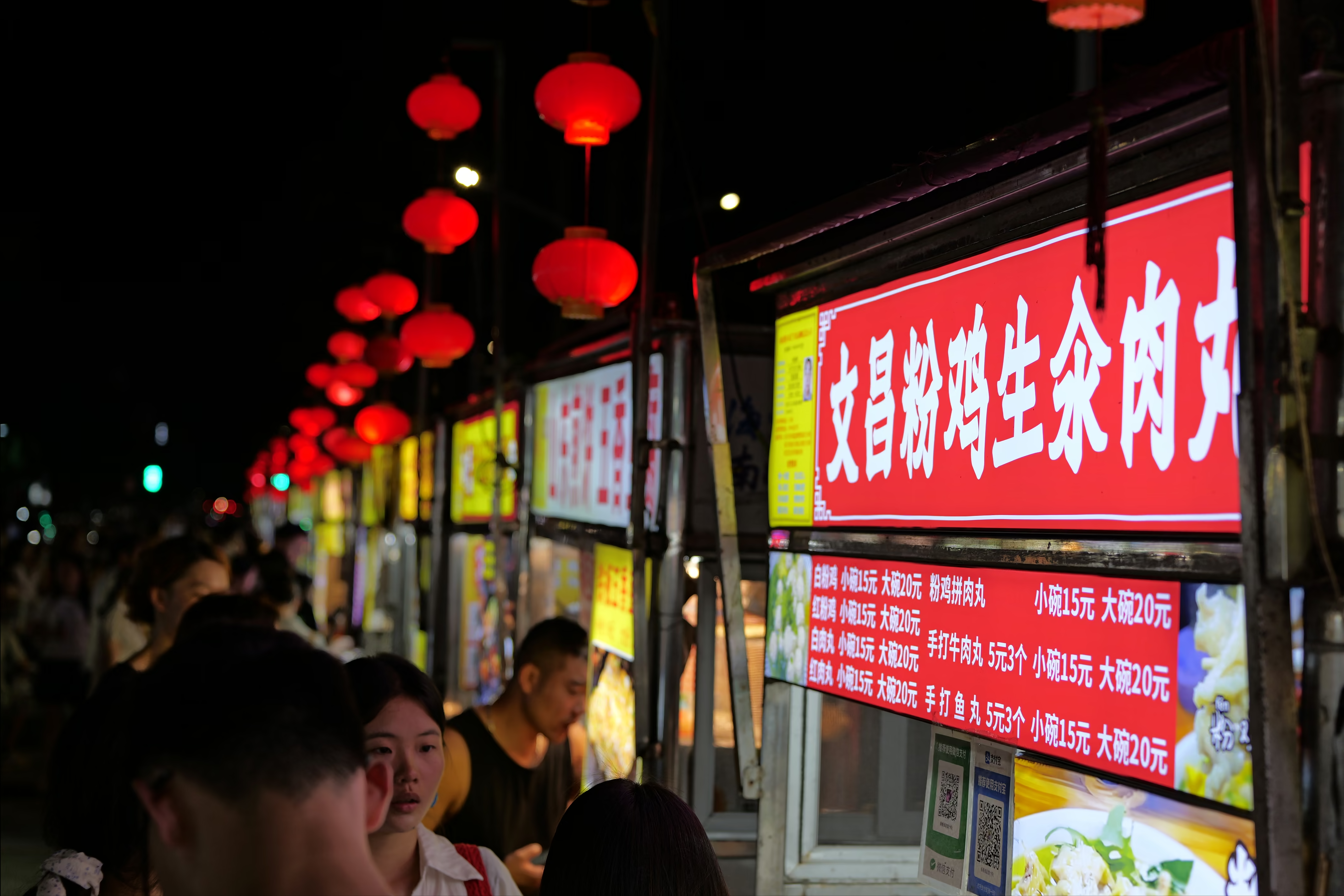
Beyond the old street itself, the rest of Haikou is much like any other Chinese city: the same heavily commercialised scenic spots, the seaside parks and bridges every coastal city has, and night-market food streets with some local flavour but mostly everyday goods and familiar snacks. Still, the city genuinely feels alive.

That night, just as we were about to go to bed:
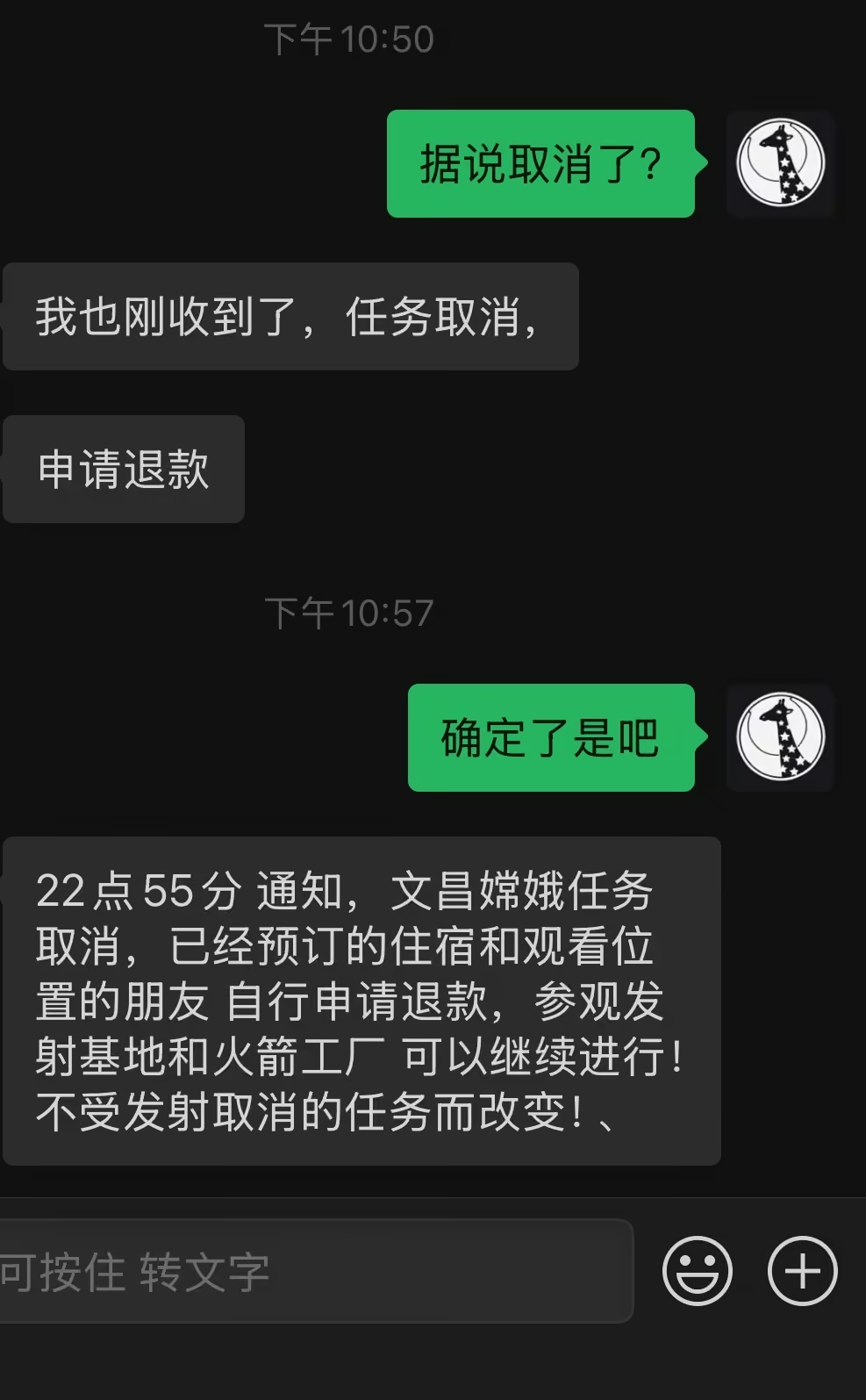
We had no choice but to cancel the Wenchang guesthouse. Since Jackchou’s flights were non-refundable, we decided to go to Sanya instead — but before that, we could still swing by Wenchang for one last look.
Wenchang
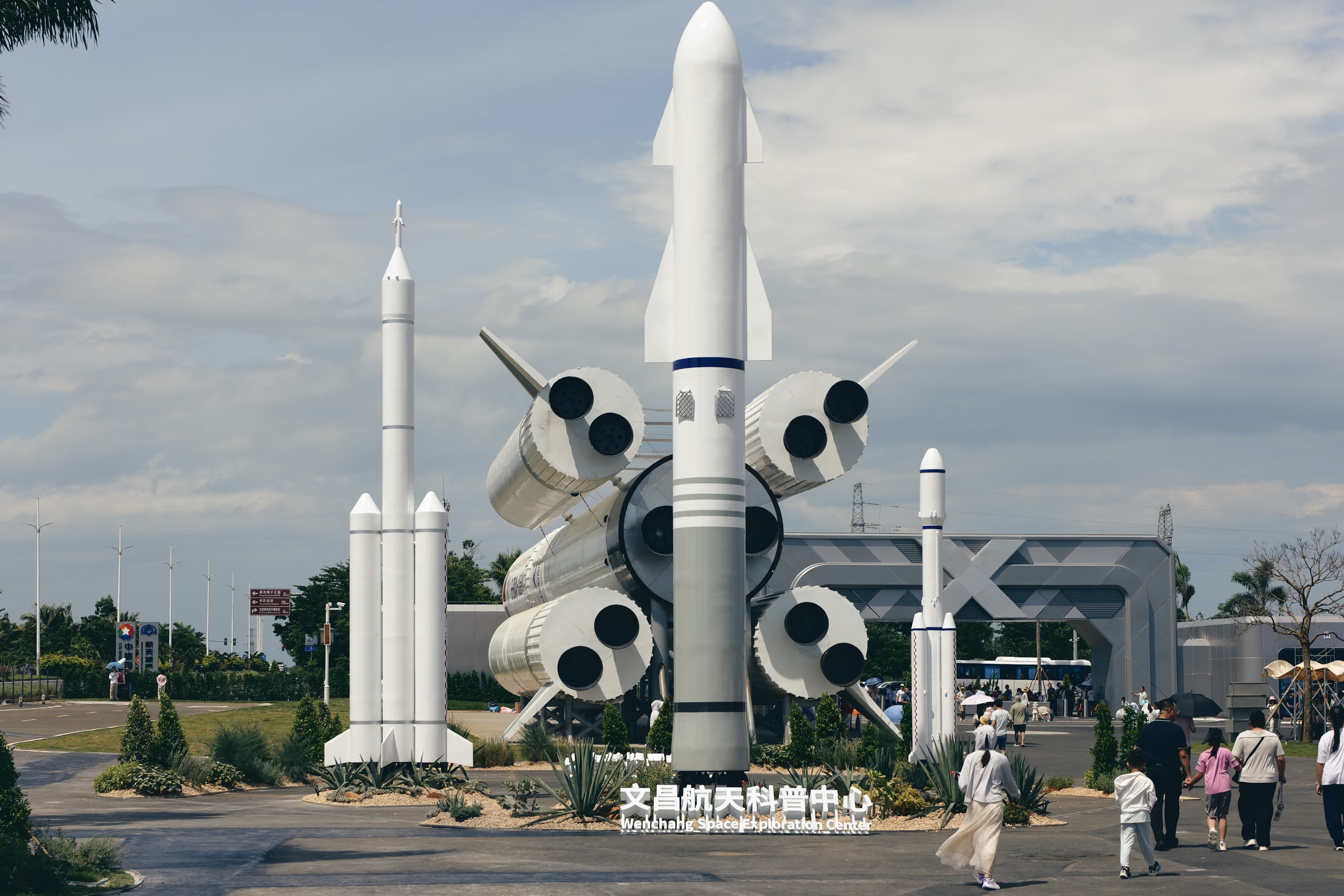
We got up around noon on 23 August and took a taxi straight to Wenchang, starting with the space science centre. Honestly the content is limited — mostly models, and pitched at kids.
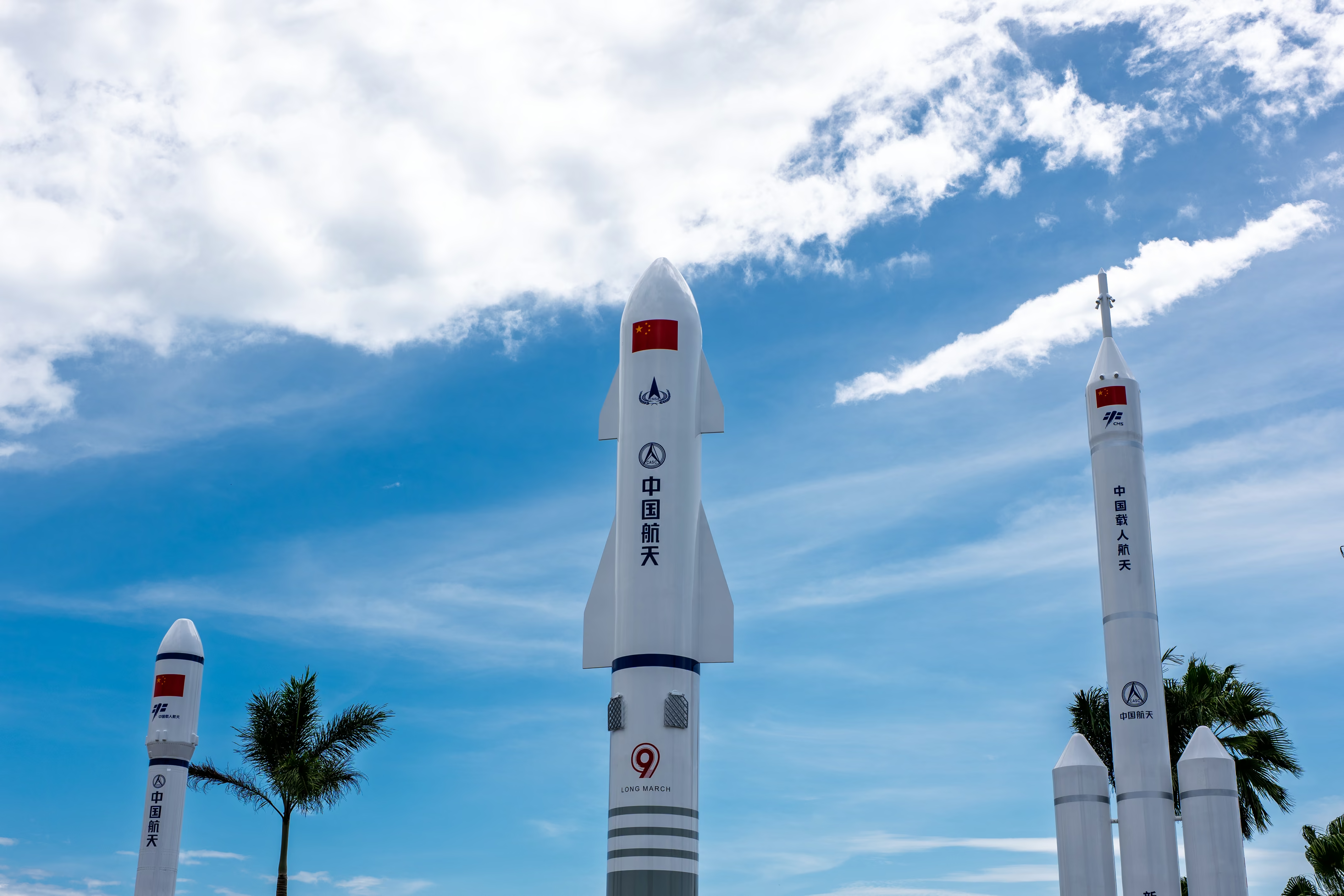
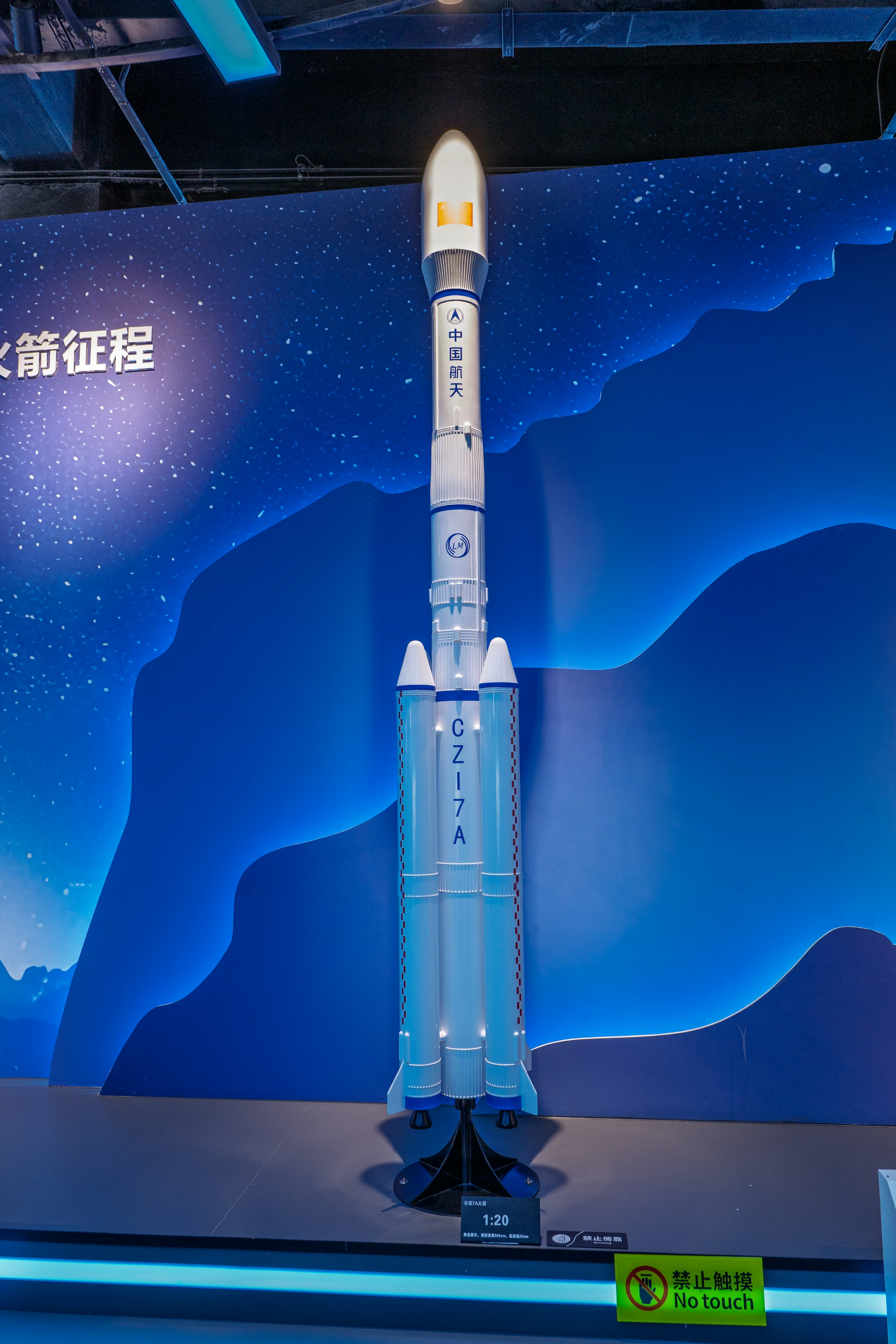
You can also give the CZ-7A a good kicking here.
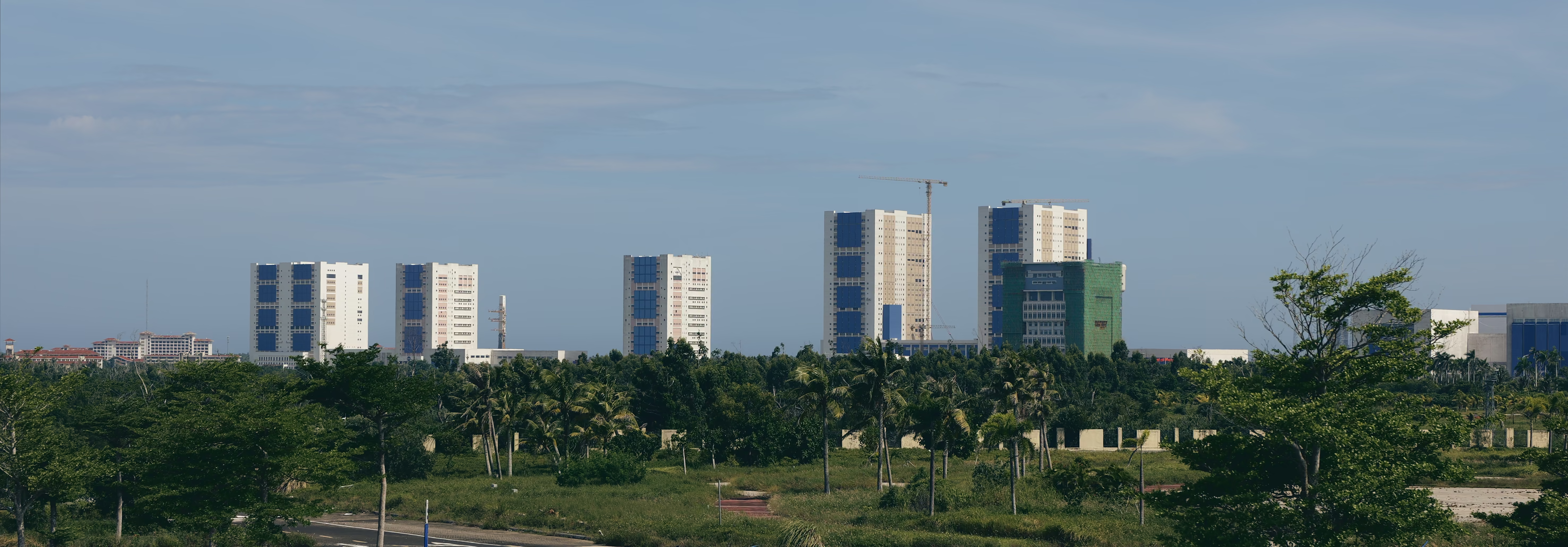
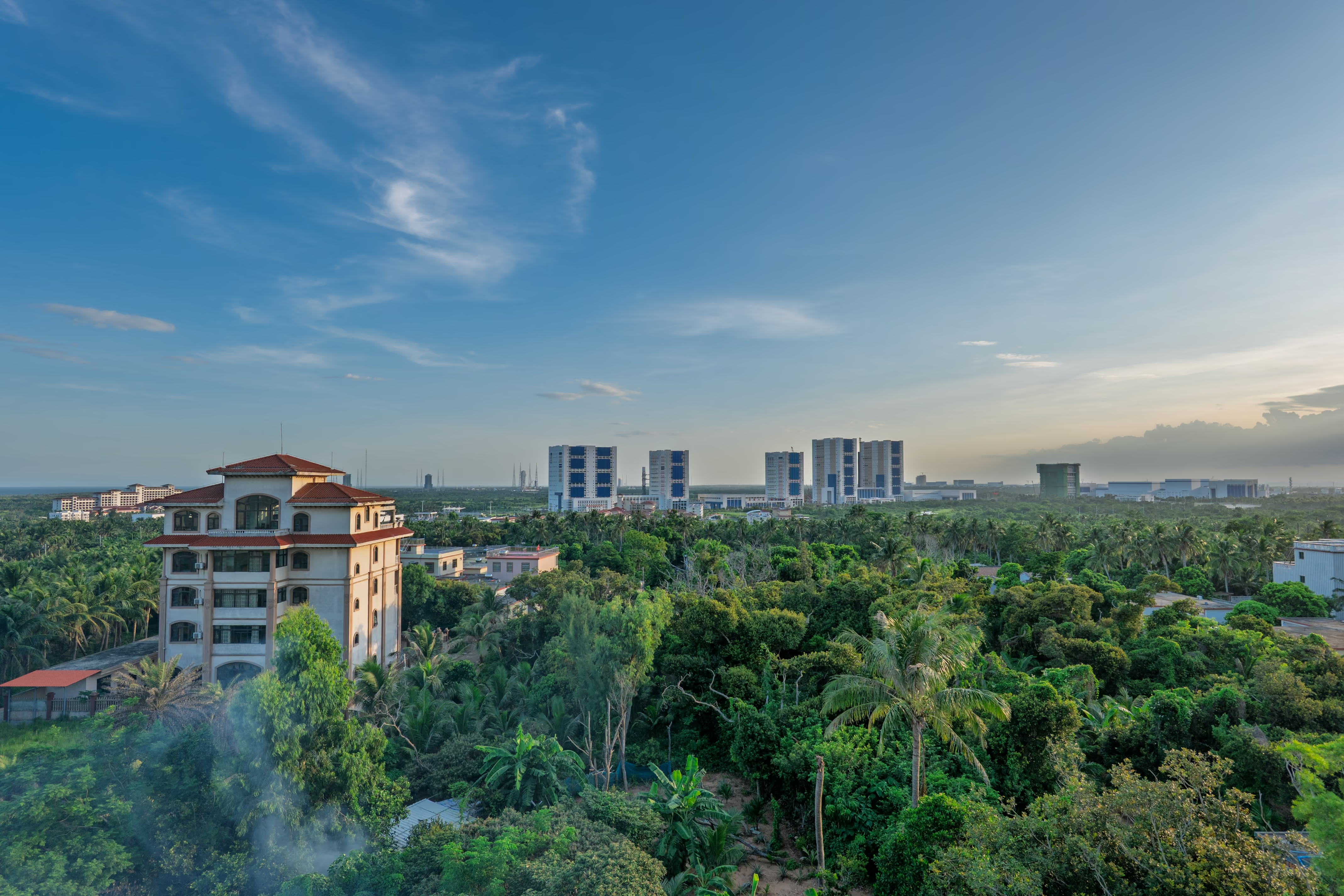
In the distance, a row of VABs.
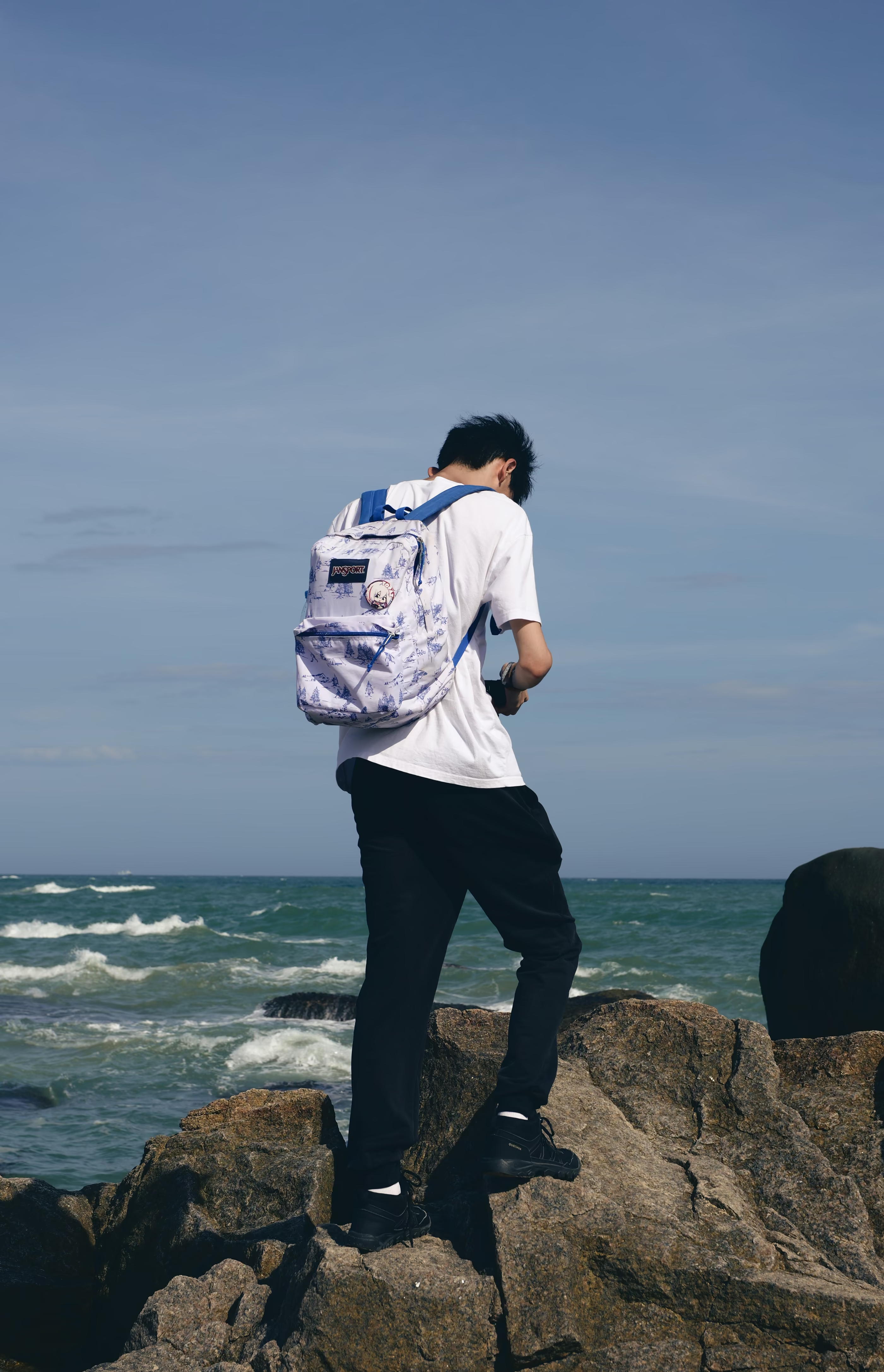
Next we went to Qishui Bay beach, a great free spot for watching launches — and the water here is noticeably clearer than the Strait of Malacca back in Singapore. Sadly the Long March 5 pad was closed up. Everyone on the beach lugging a telephoto seemed to be there for the rocket, and along the way we commiserated with quite a few fellow enthusiasts about the cancellation.
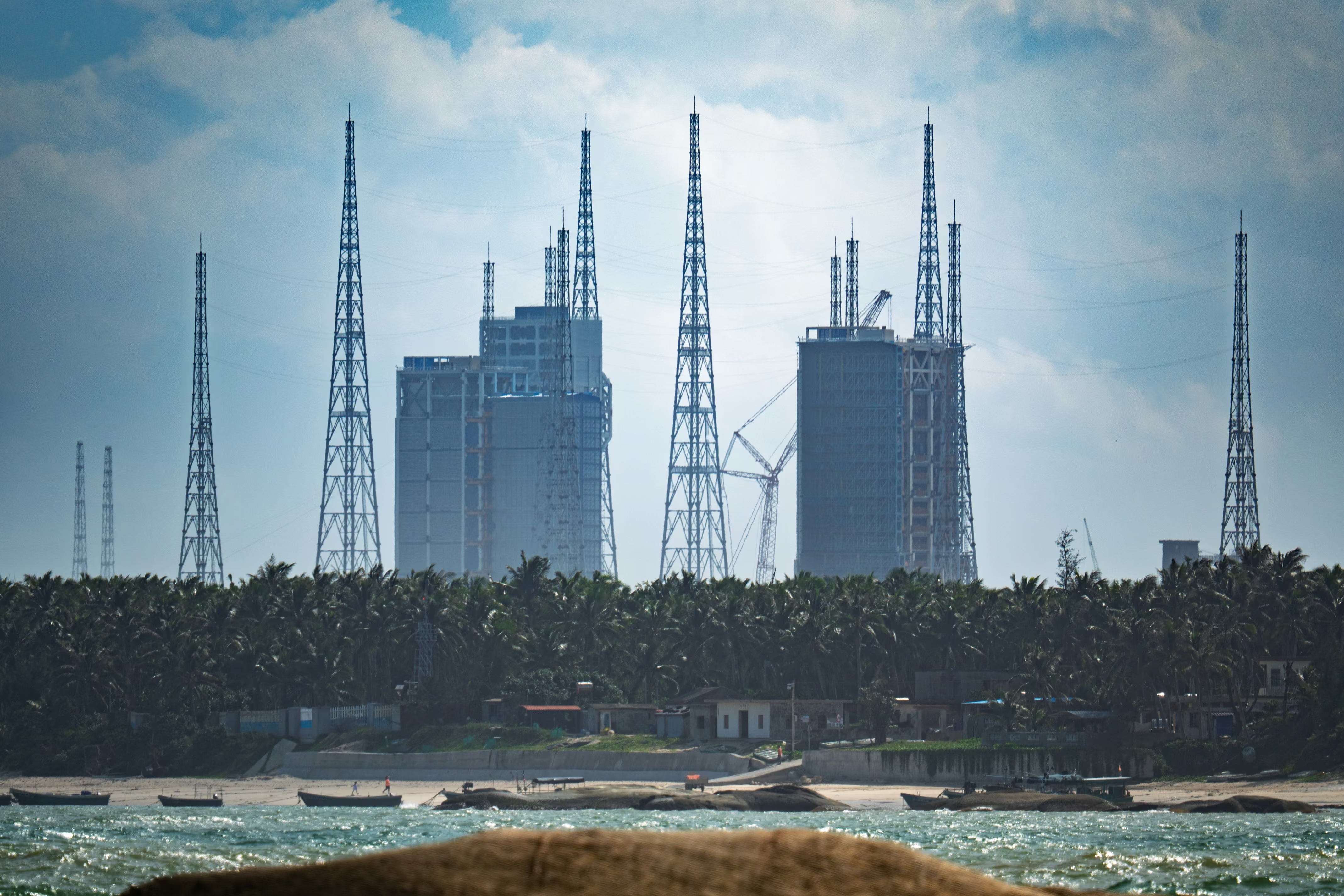
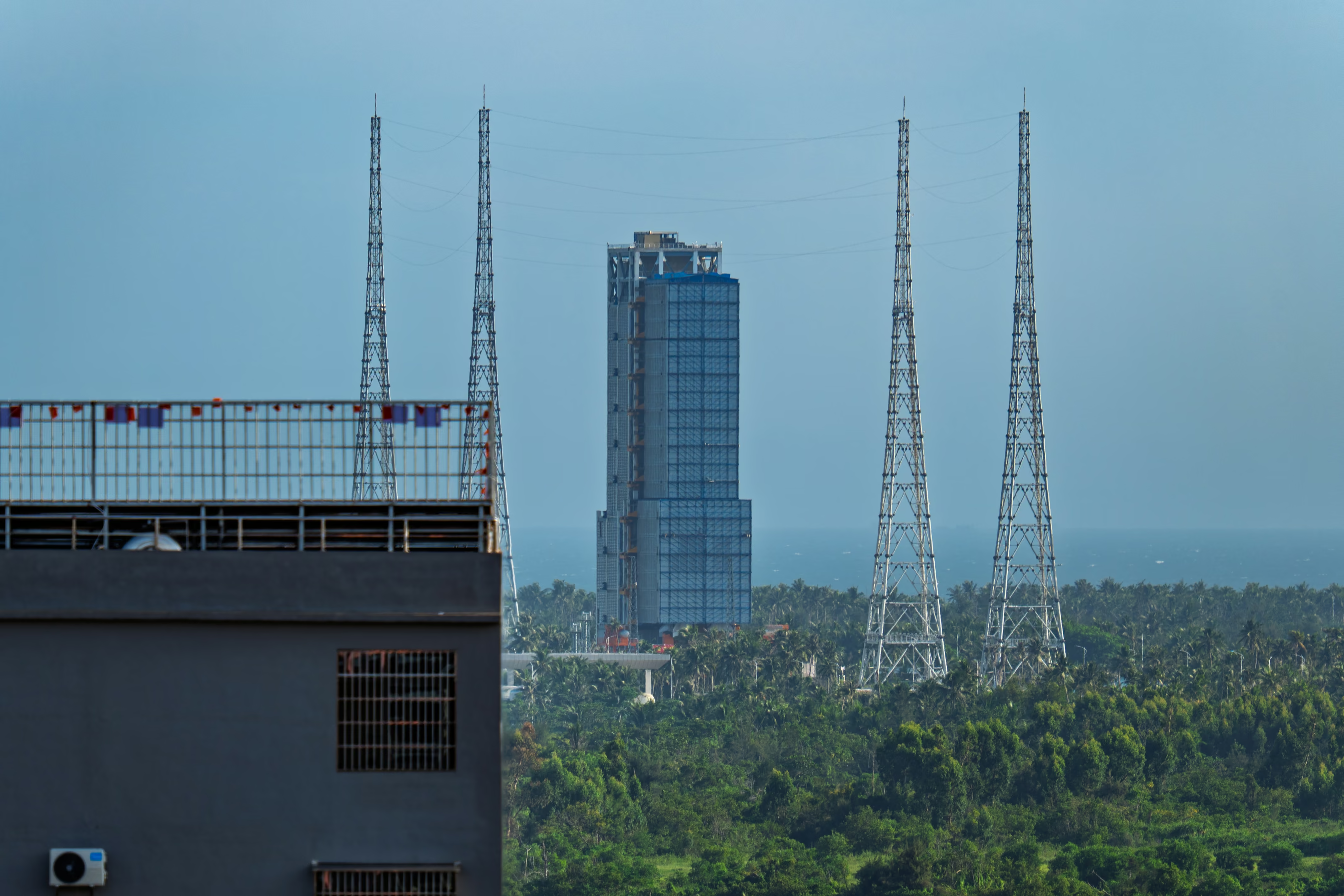
Someone on social media had posted a photo of the pad showing the engines and fins at the bottom, so we made an extra trip to the viewing spot we had originally booked — a hotel rooftop. Even though we had cancelled, the owner still let us go up for a look (though only the bottom of the rocket was visible).
And that seemed to be the end of the rocket trip: no launch, and only a half-veiled glimpse of the rocket itself. That evening we arrived in Sanya. Was the chase really going to end like this…
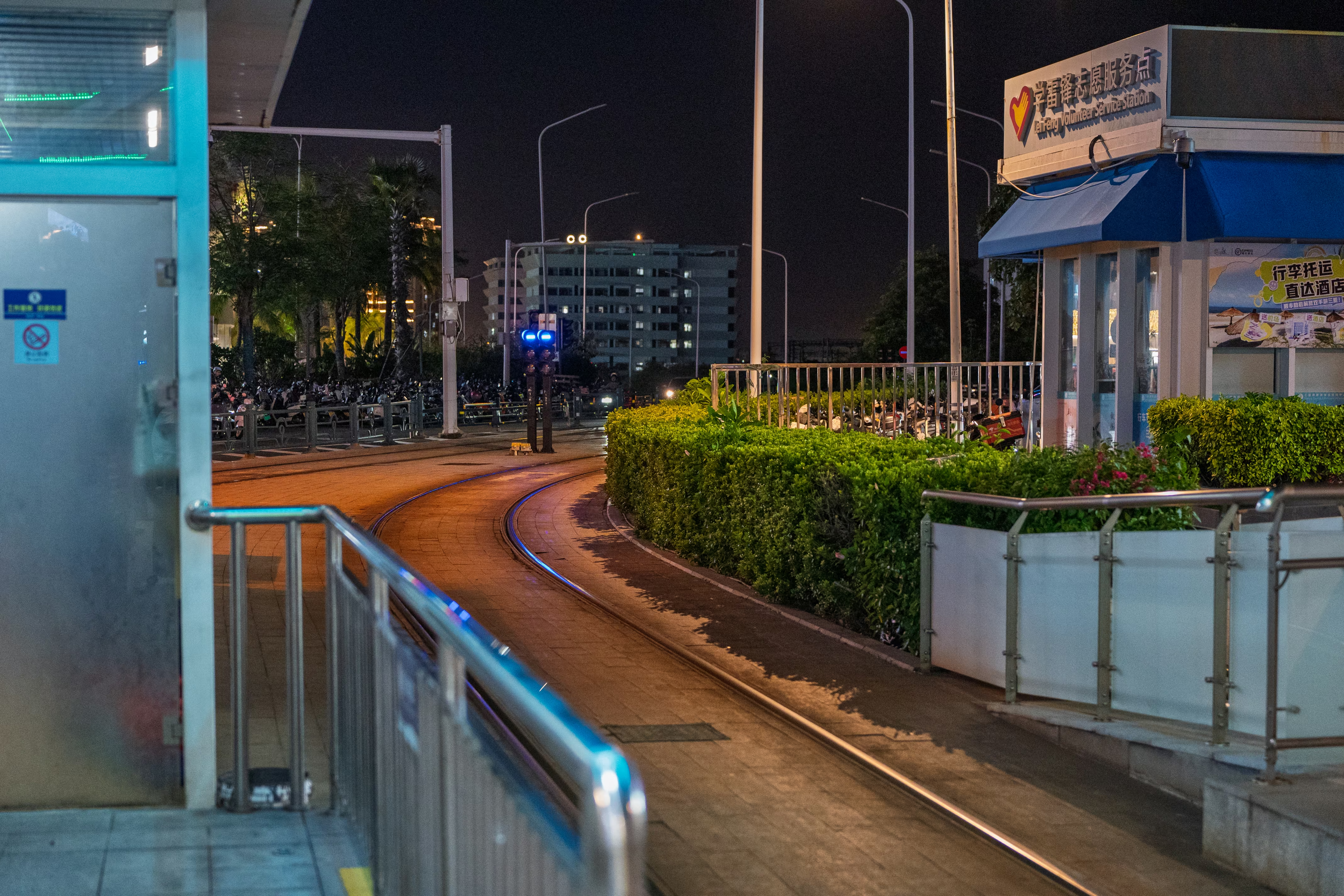
Wenchang, Round 2
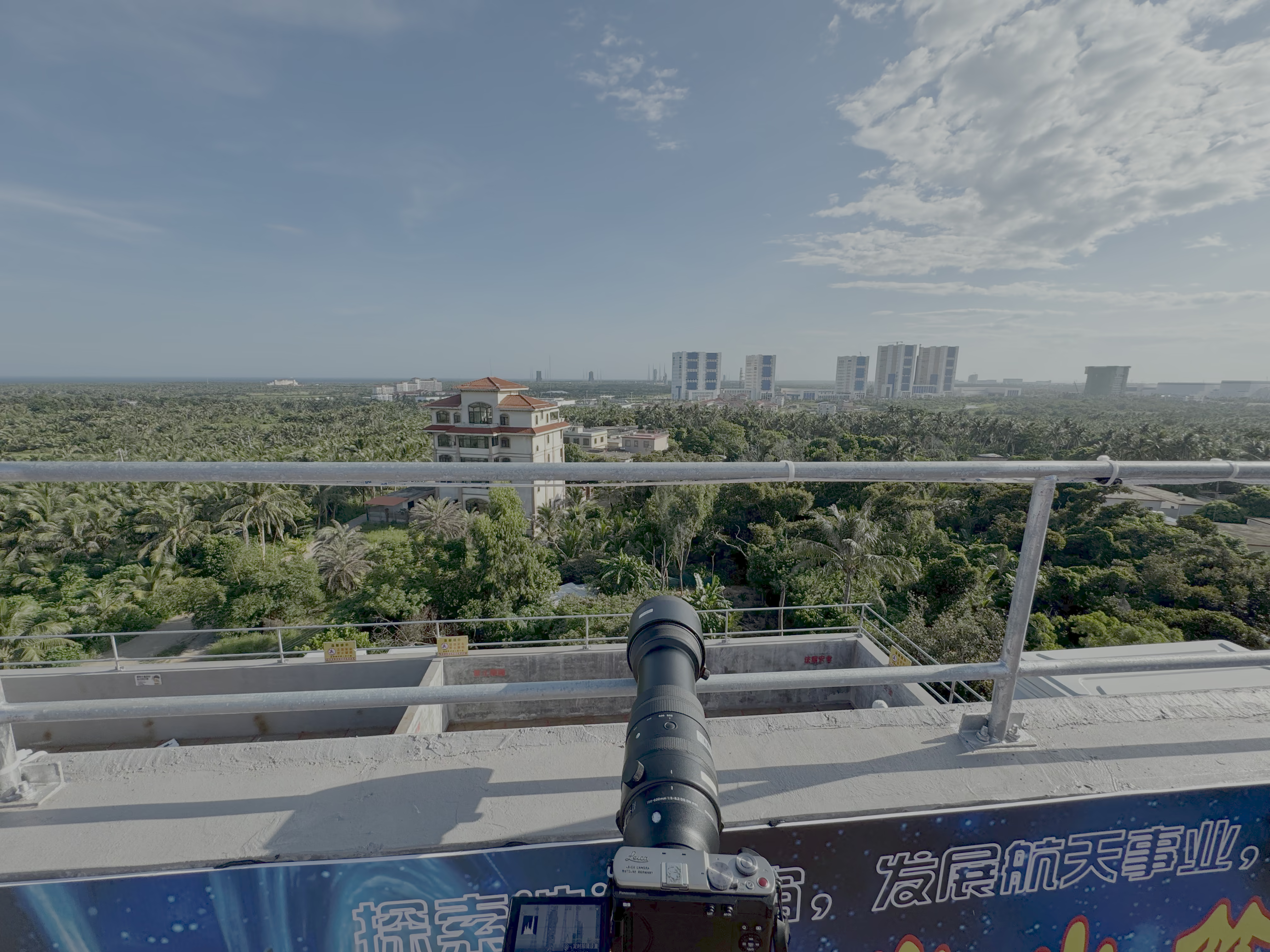
Around noon on our second day in Sanya (the 24th), we woke up to social-media posts saying Long March 5 would roll back at four that afternoon. It was already nearly one, but we decided to eat immediately and rush to Wenchang to shoot it. On the high-speed train we contacted a few viewing-platform operators, most of whom said we could come up and shoot for free. We picked one and ran straight there from the station. By the time we arrived it was half past four; the pad was wide open and the rocket had already travelled some way, but there was still plenty to shoot. We set up immediately:
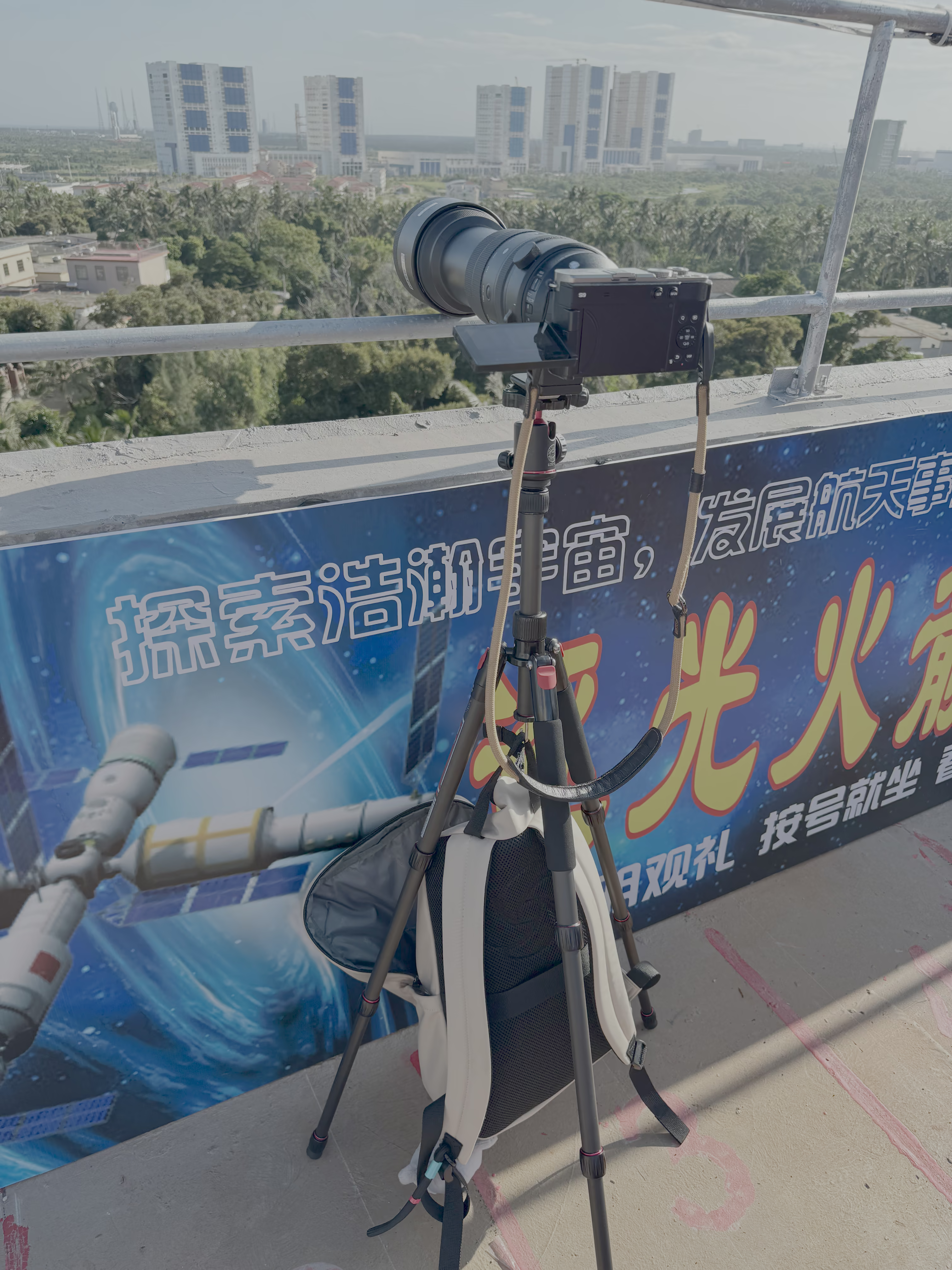
After a few stills, straight into time-lapse — enjoy:
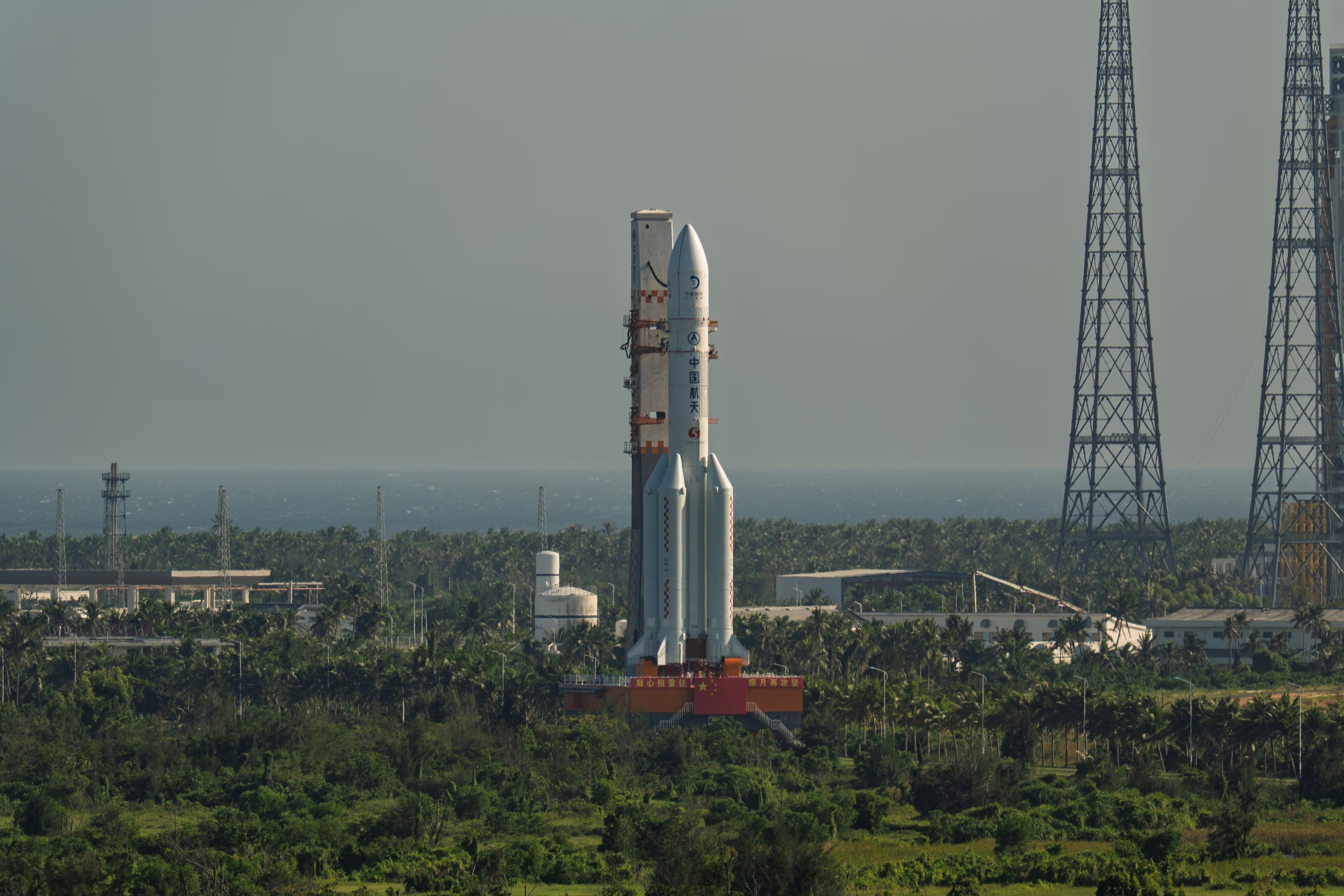
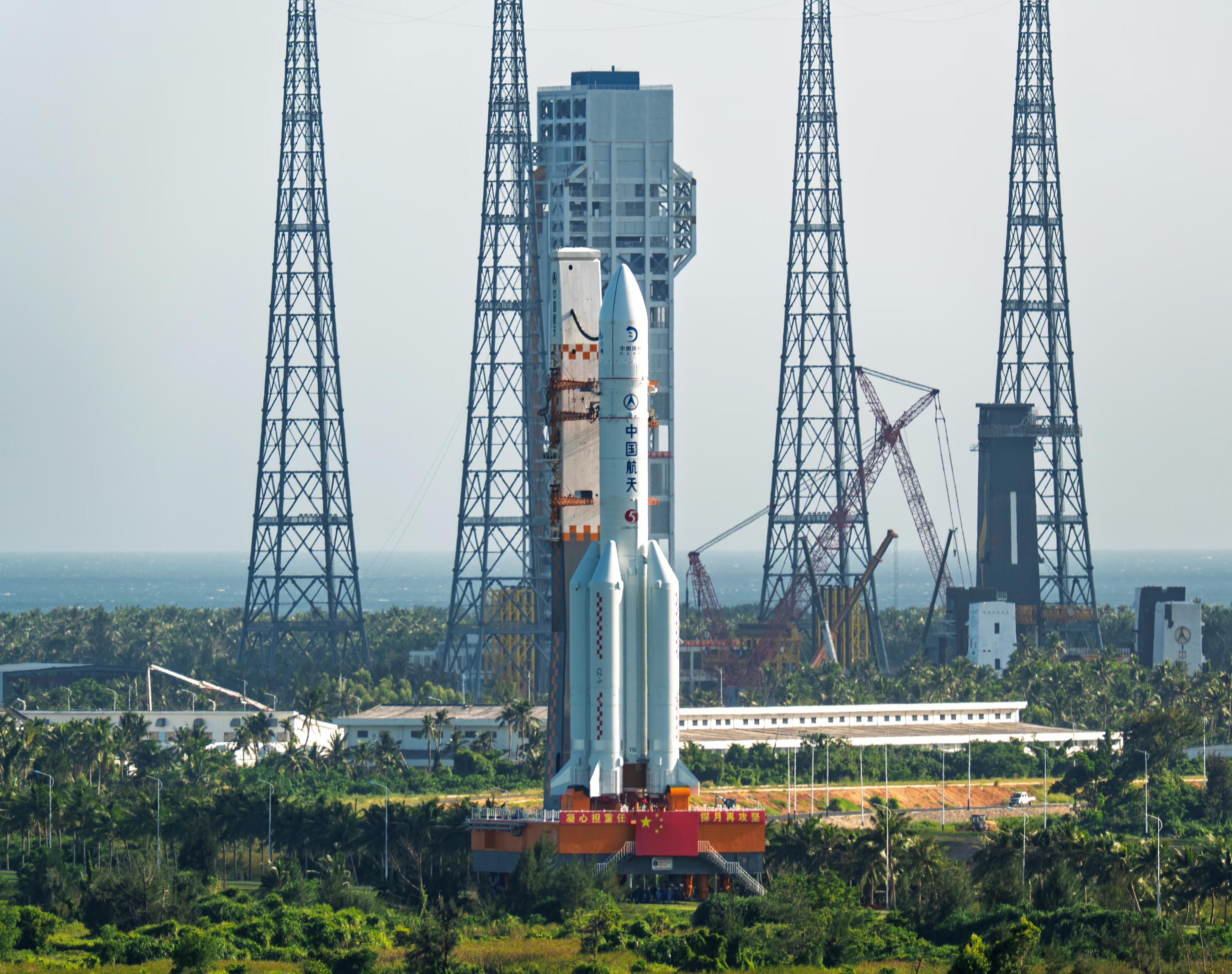
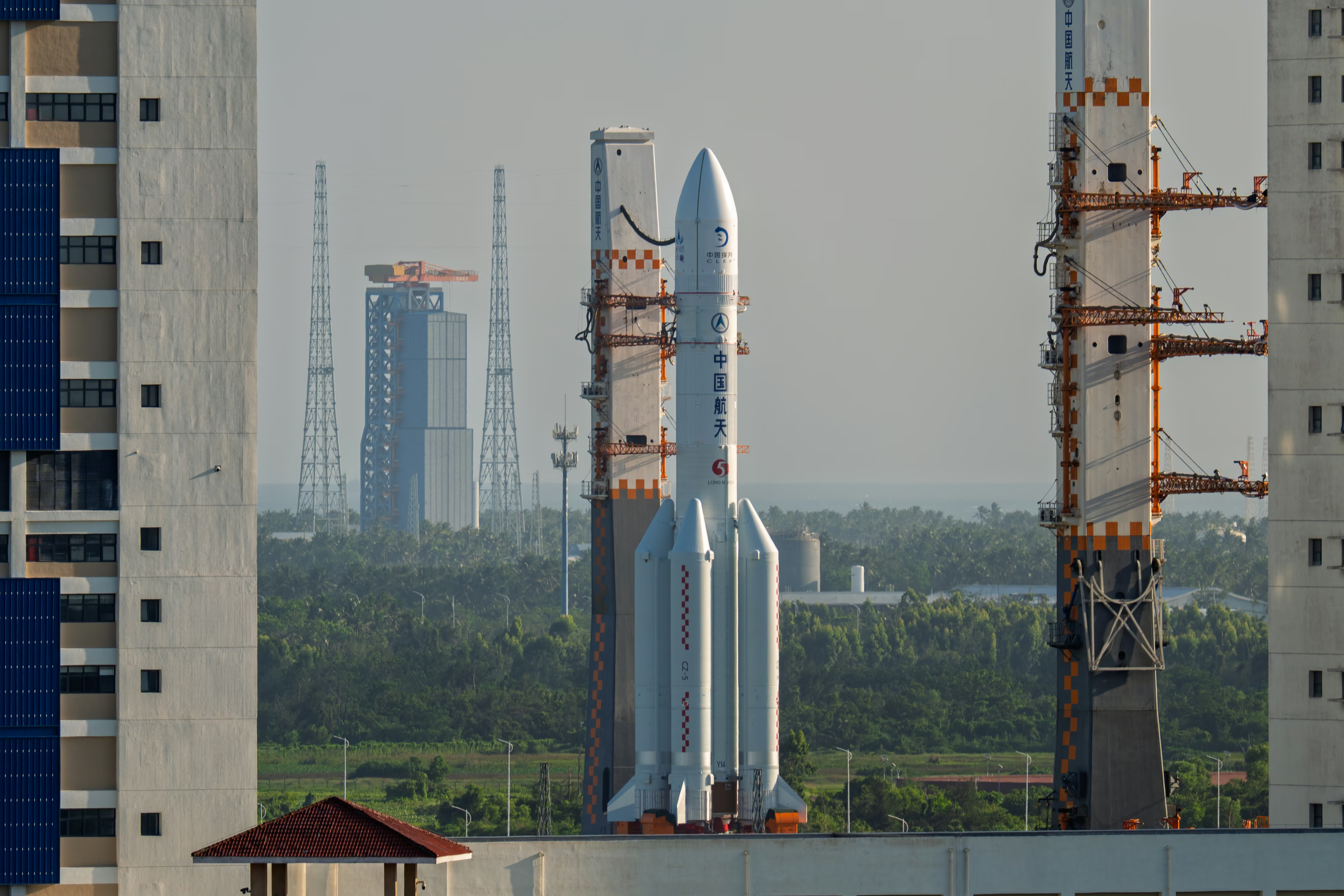
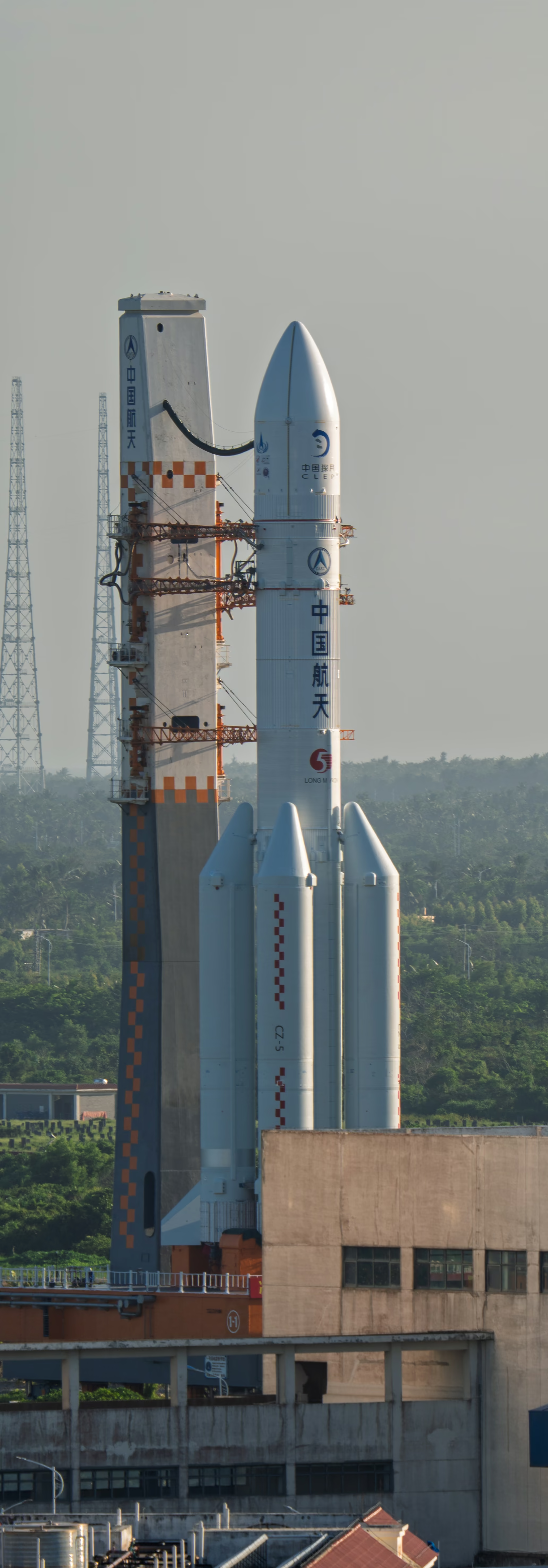
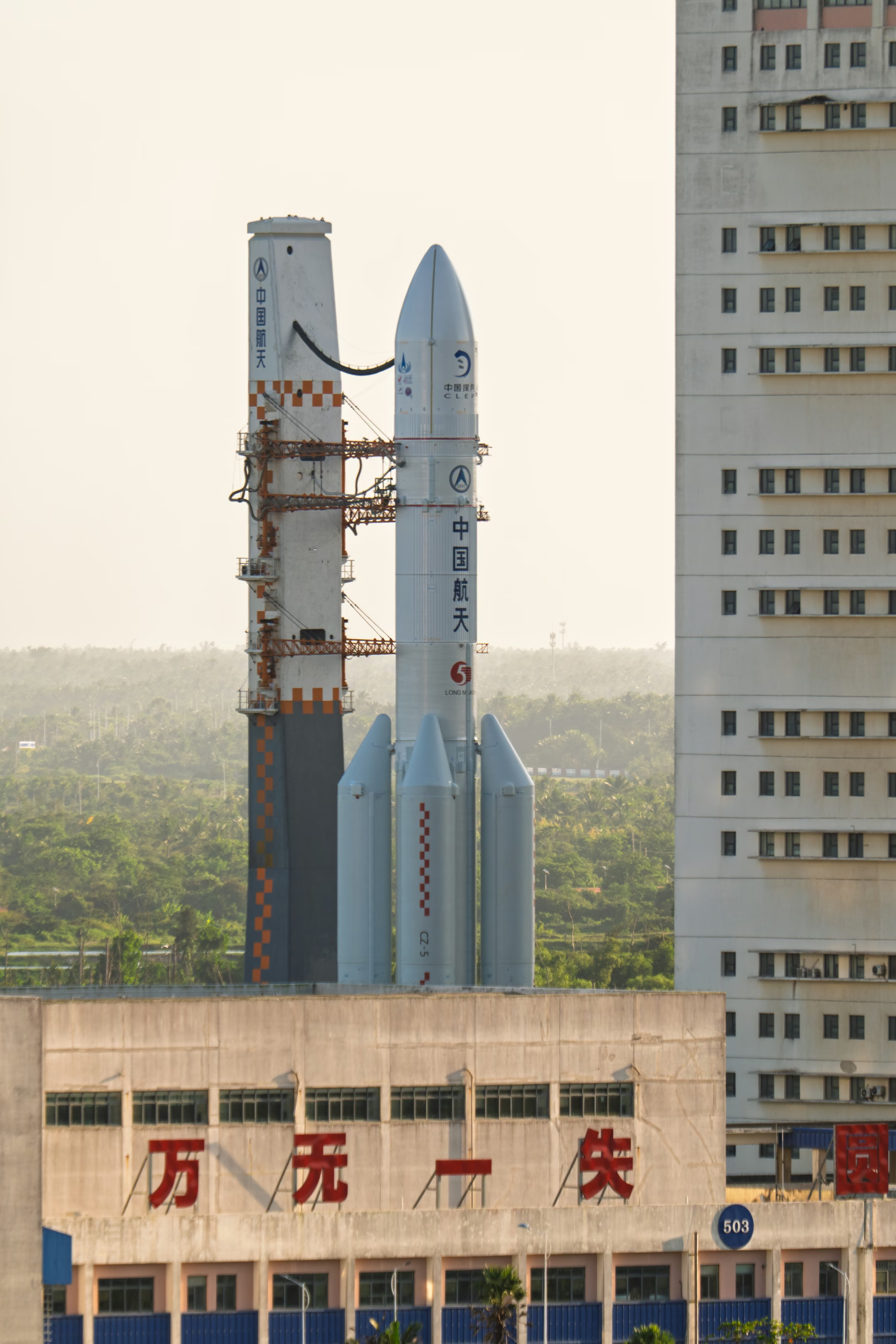
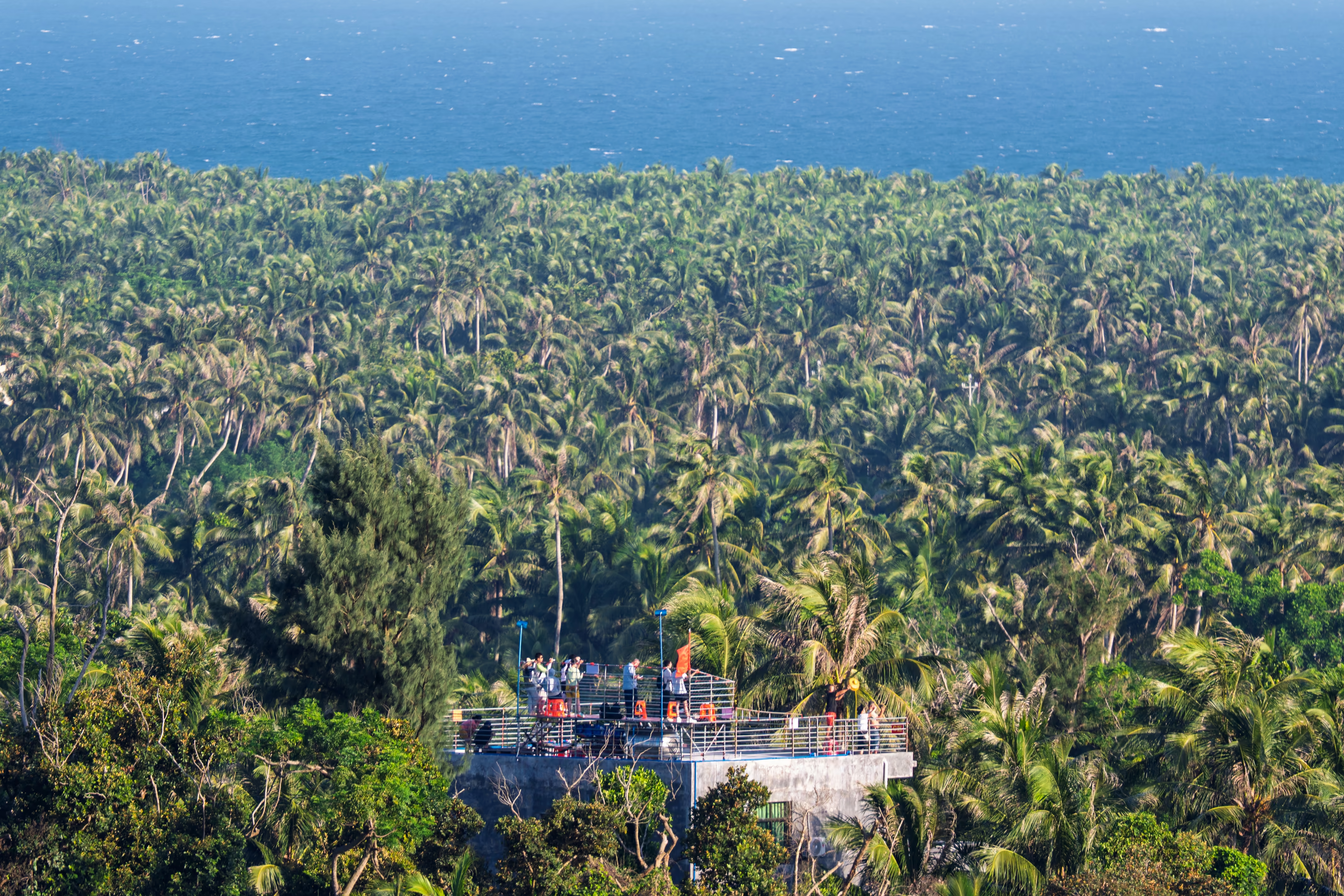
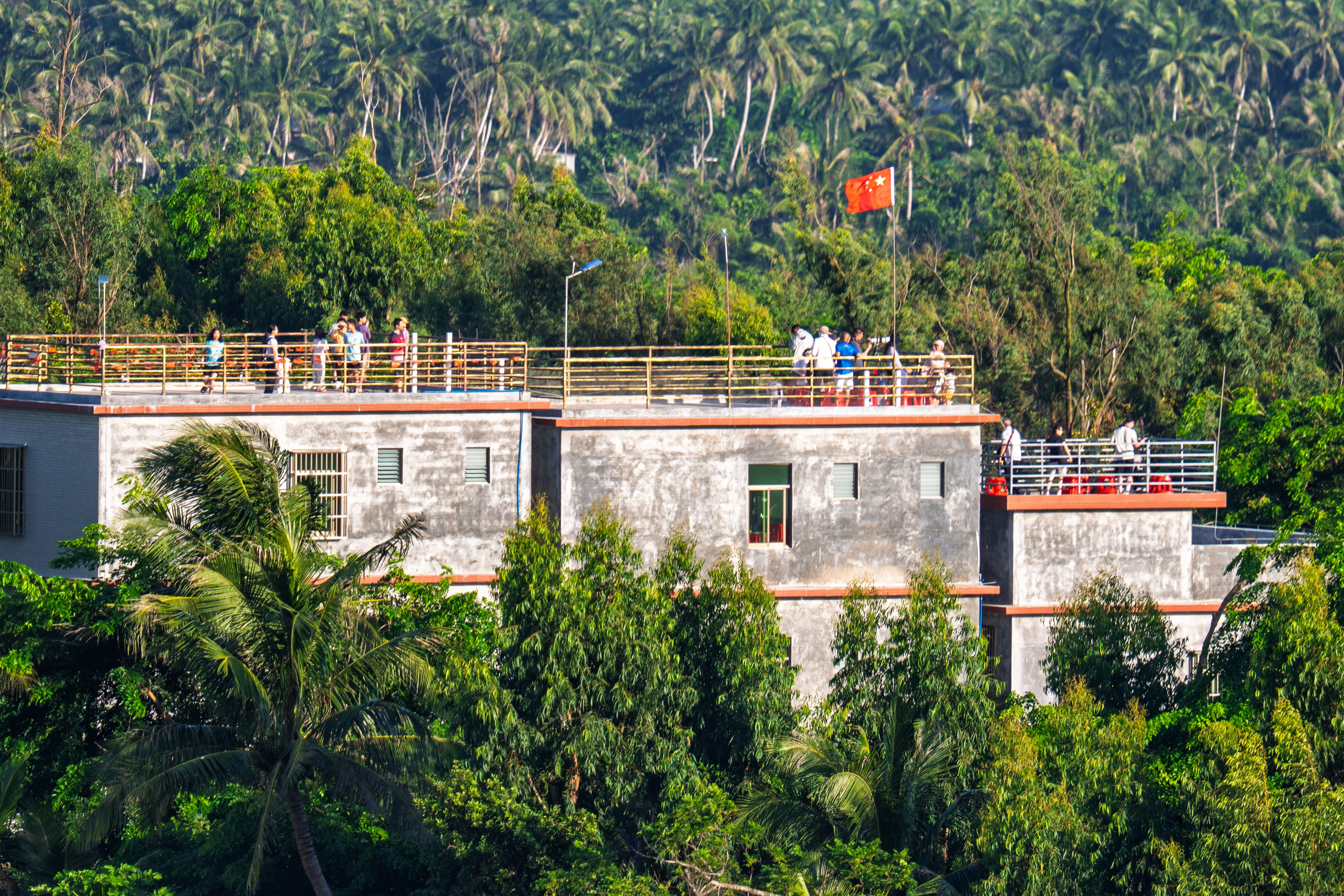
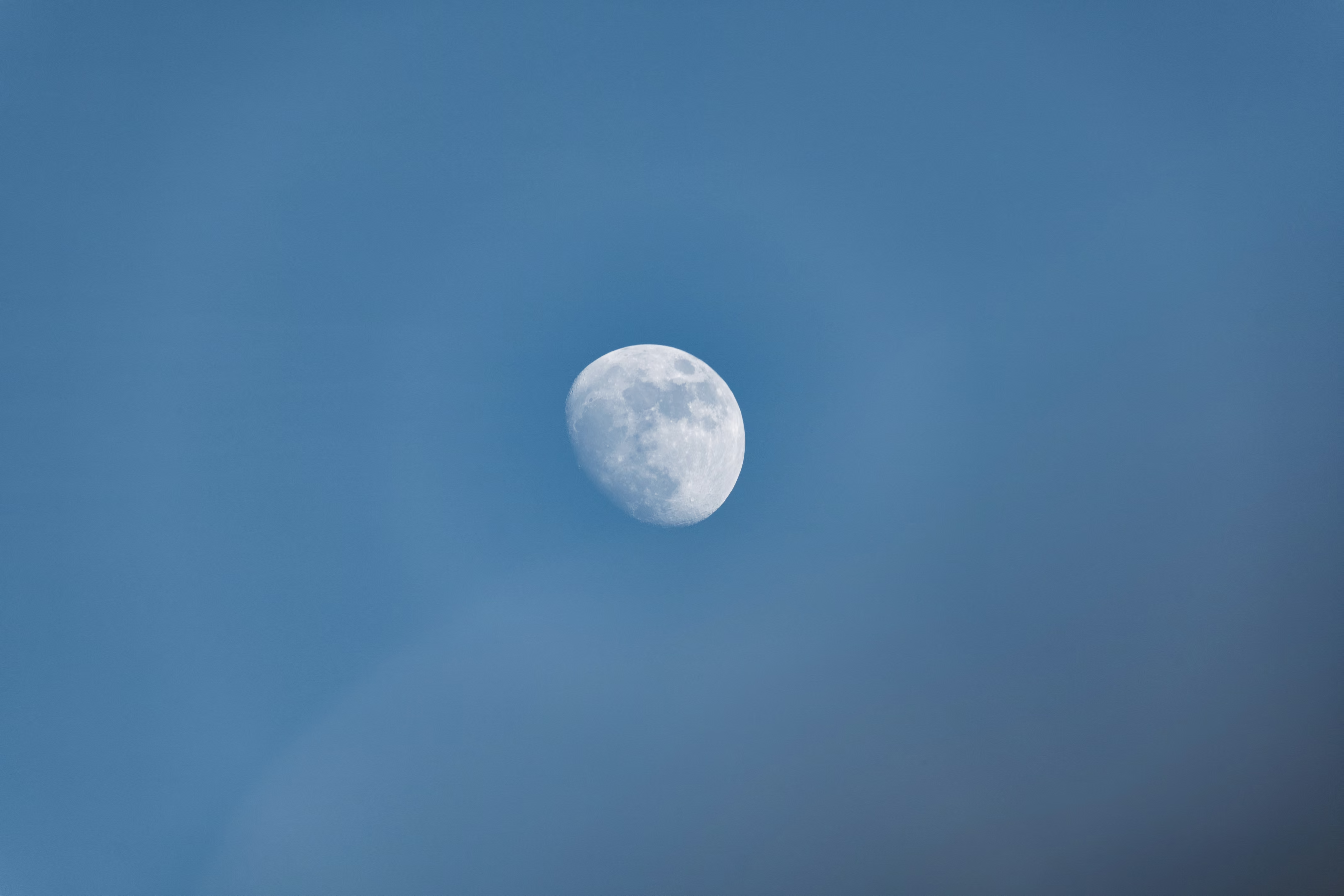
There was quite a crowd, and the rocket-chaser group chats kept sharing photos from different angles; the rooftop of the residential block to our left was packed with people shooting the rollback too. Everyone stayed until around six, when “Farewell” (送别) started playing, followed by “Ode to the Motherland”, “The Motherland Will Not Forget” and “Stay True to the Mission”, until Y14 and its tower disappeared into the VAB. The sky was still bright, but the Moon was already clearly visible, as if calling from afar.
Sanya
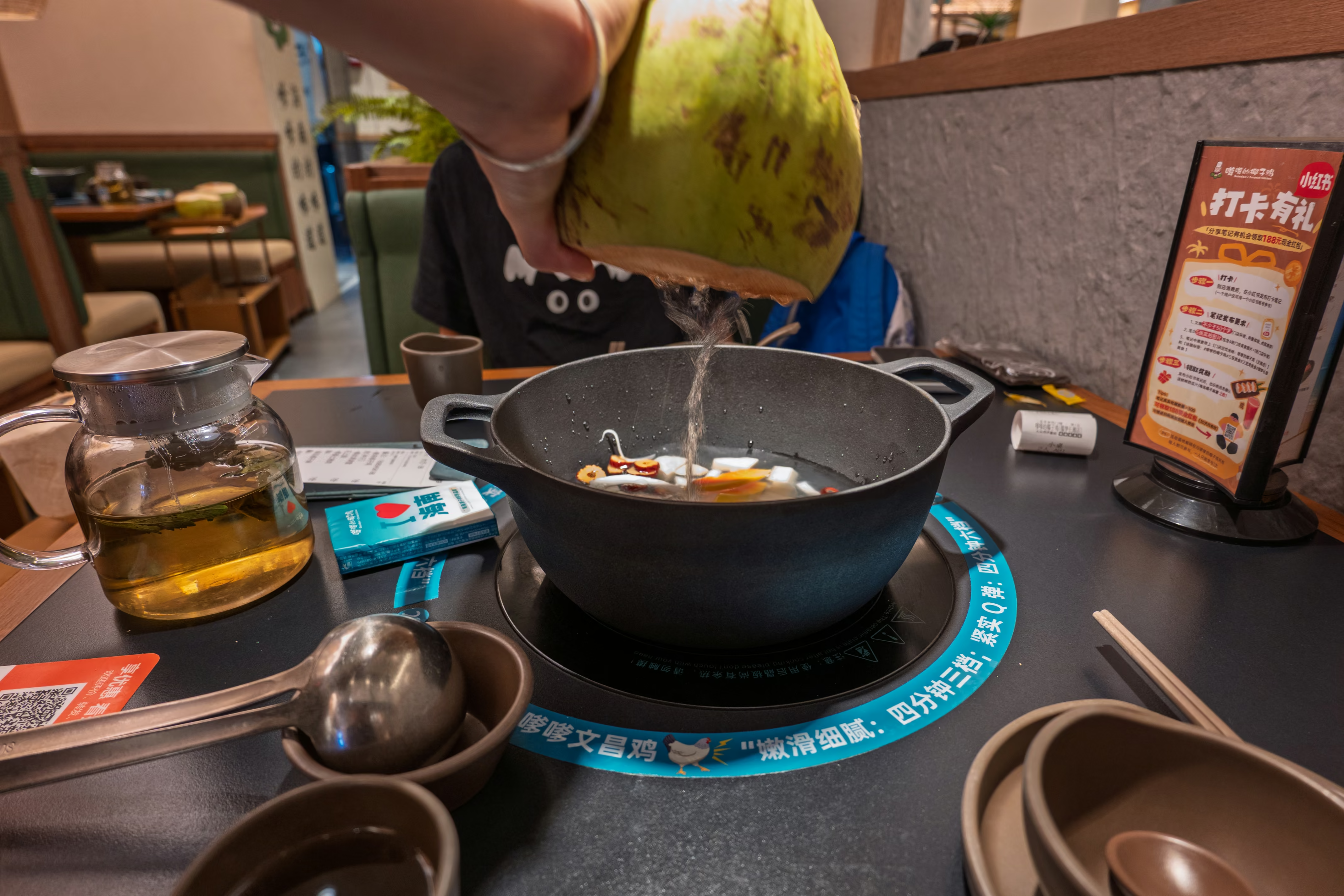
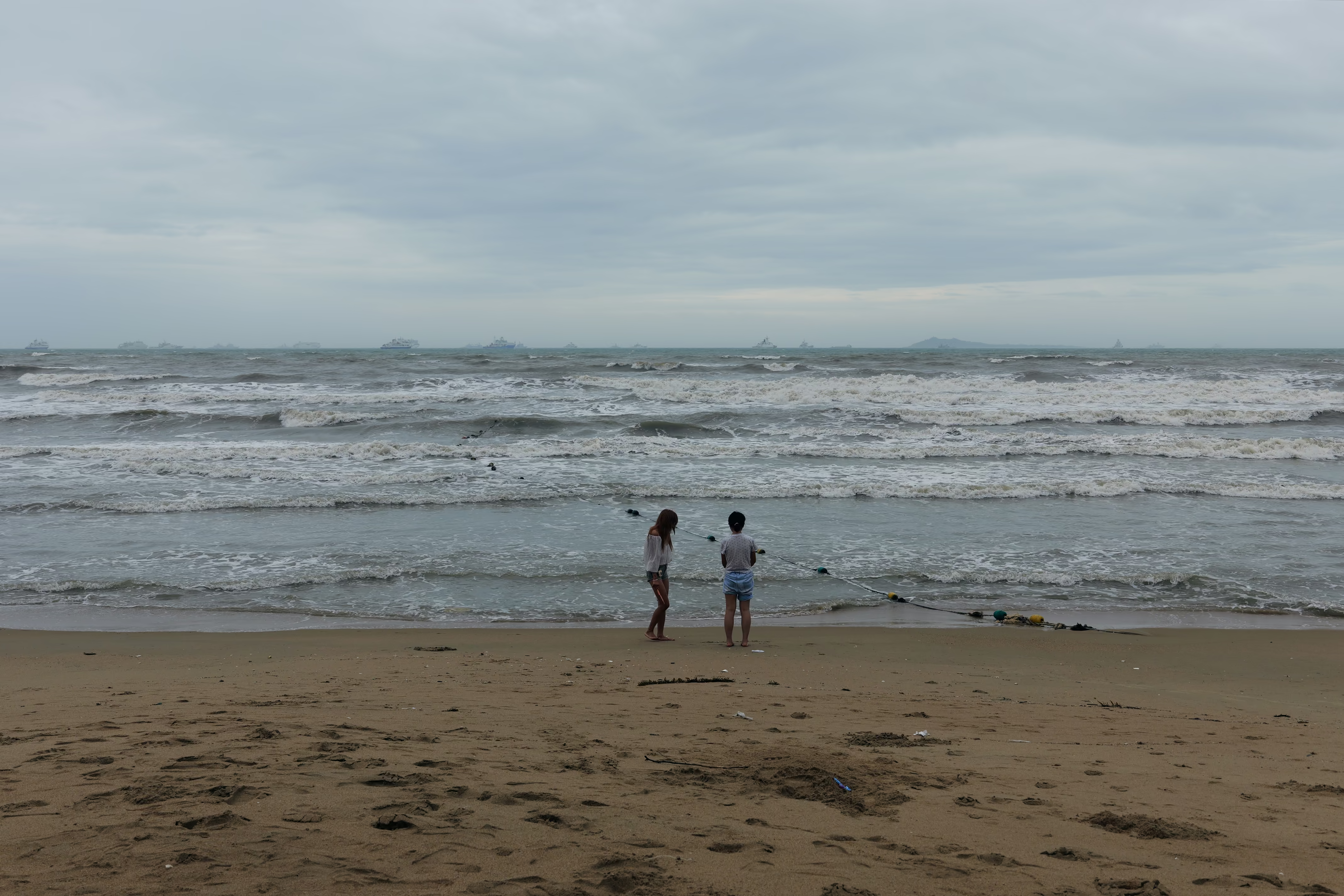
Since the hotel was in Sanya anyway, the last day (the 25th) was for Sanya itself: the seafront and Luhuitou.
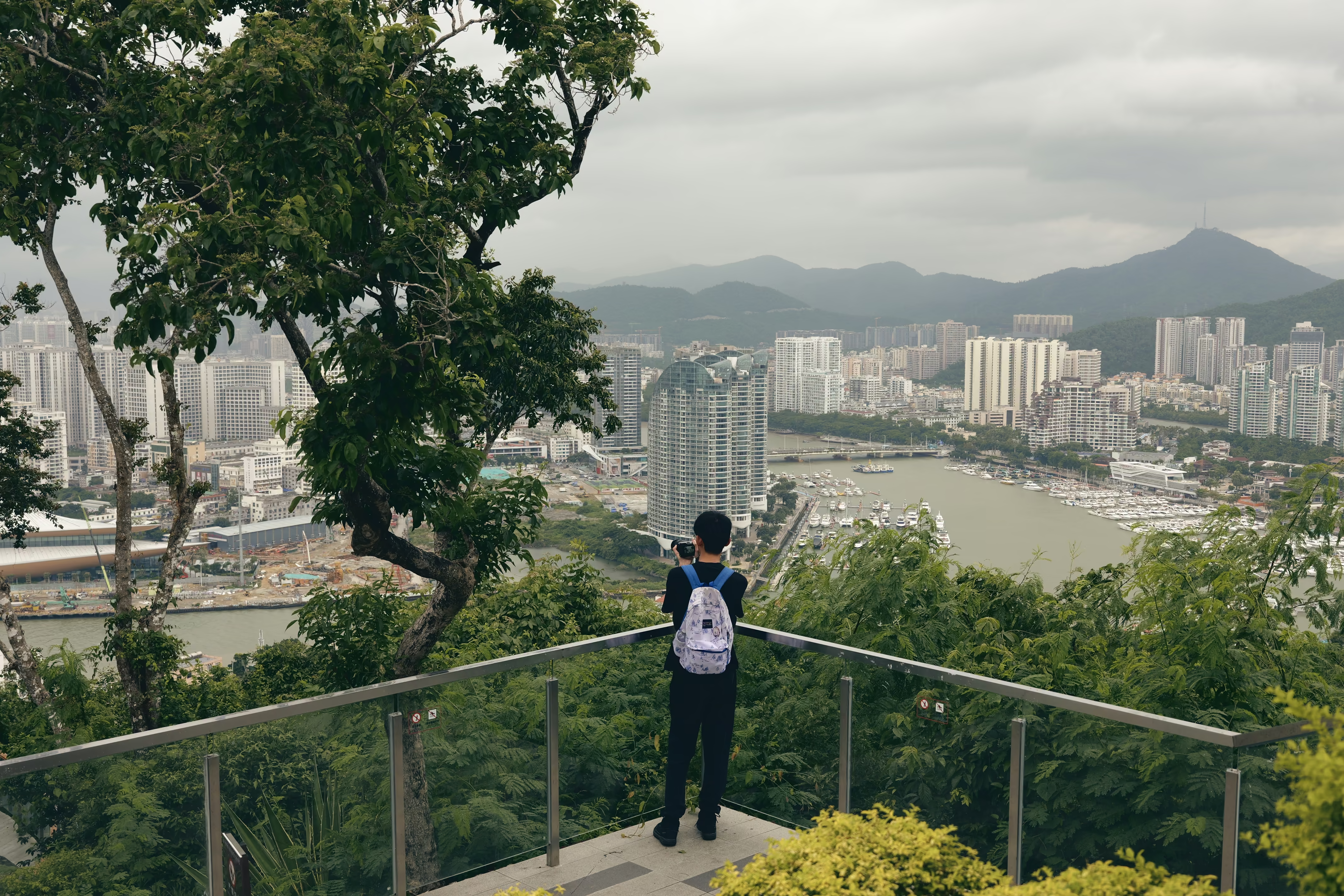
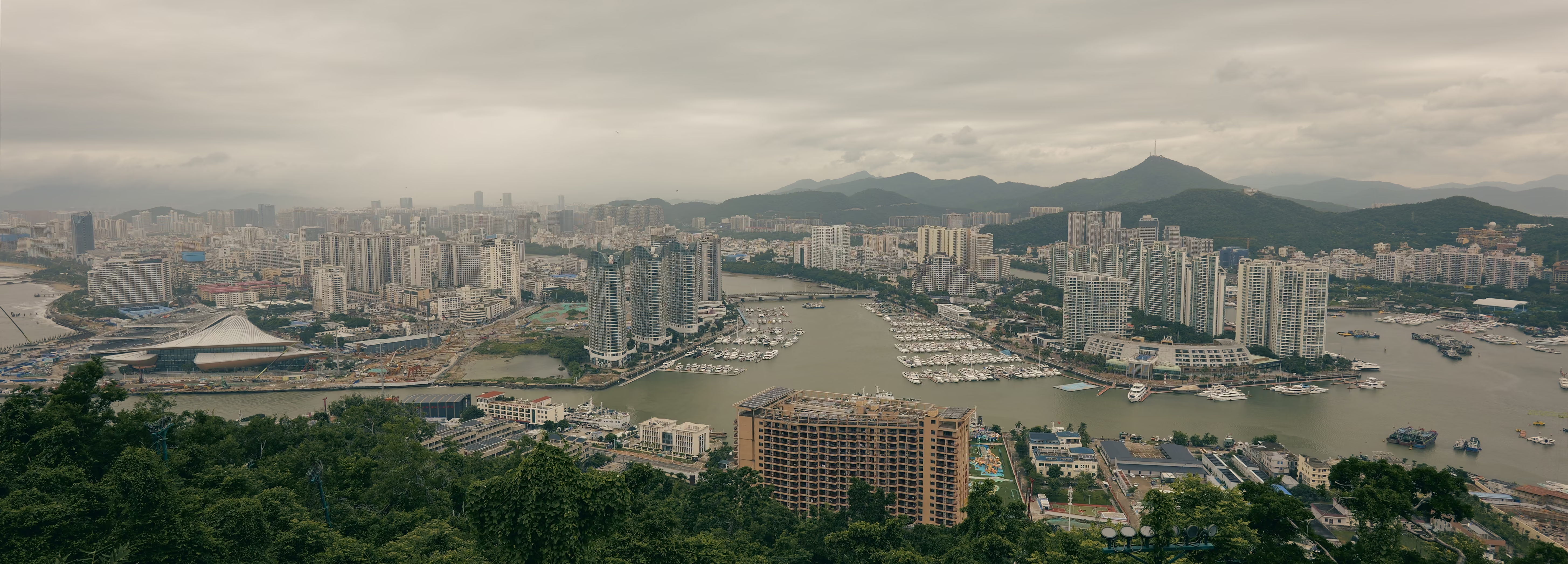
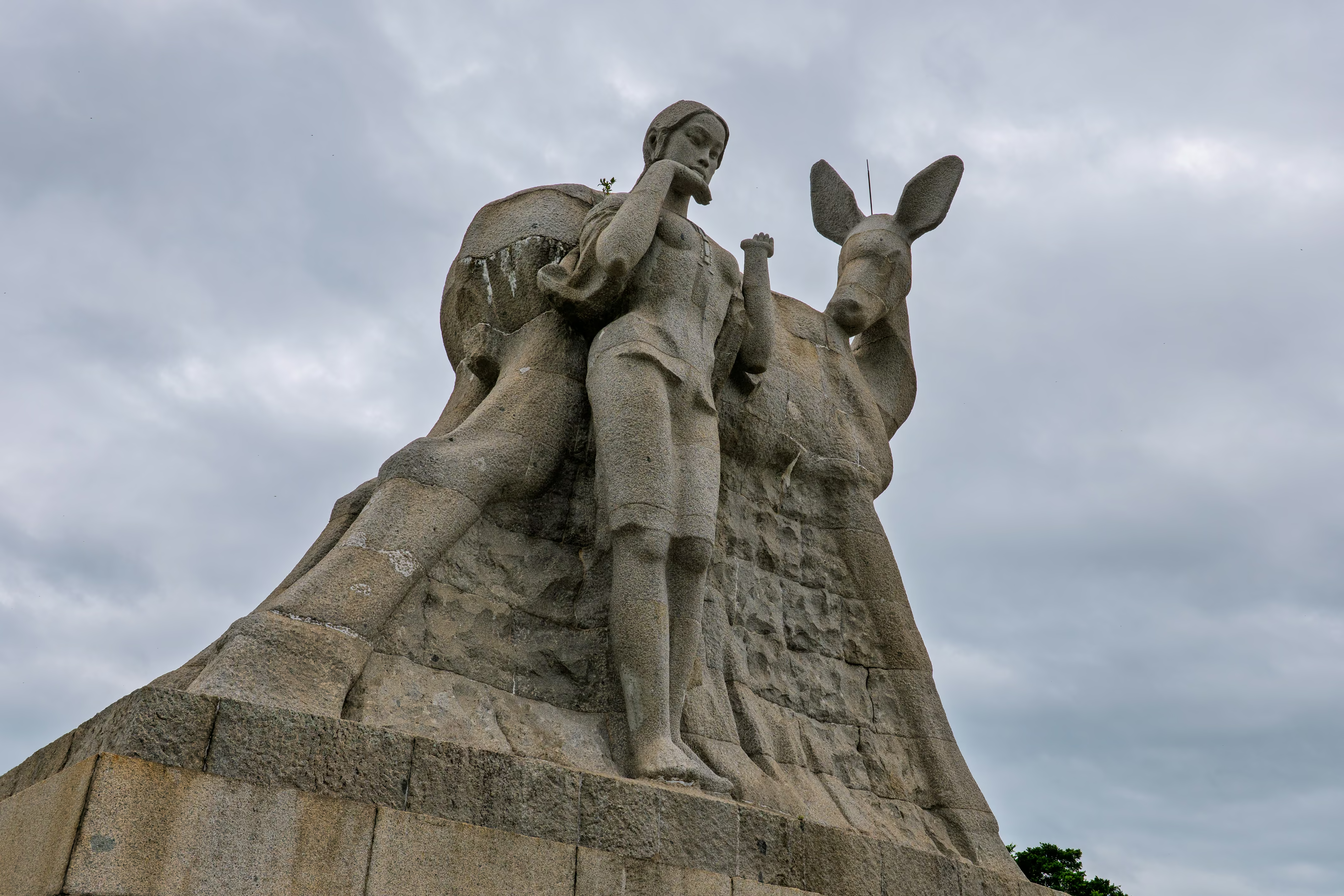
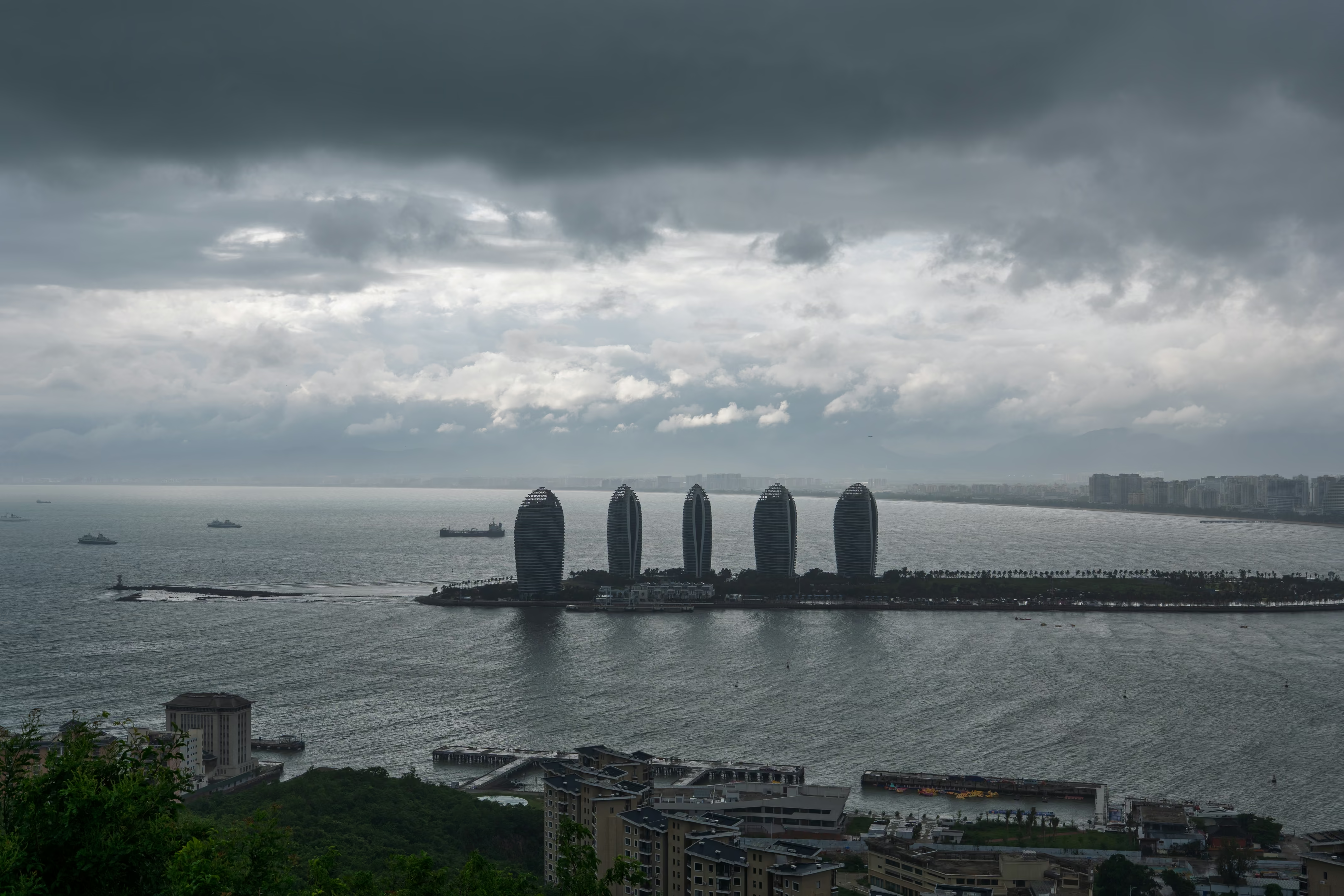
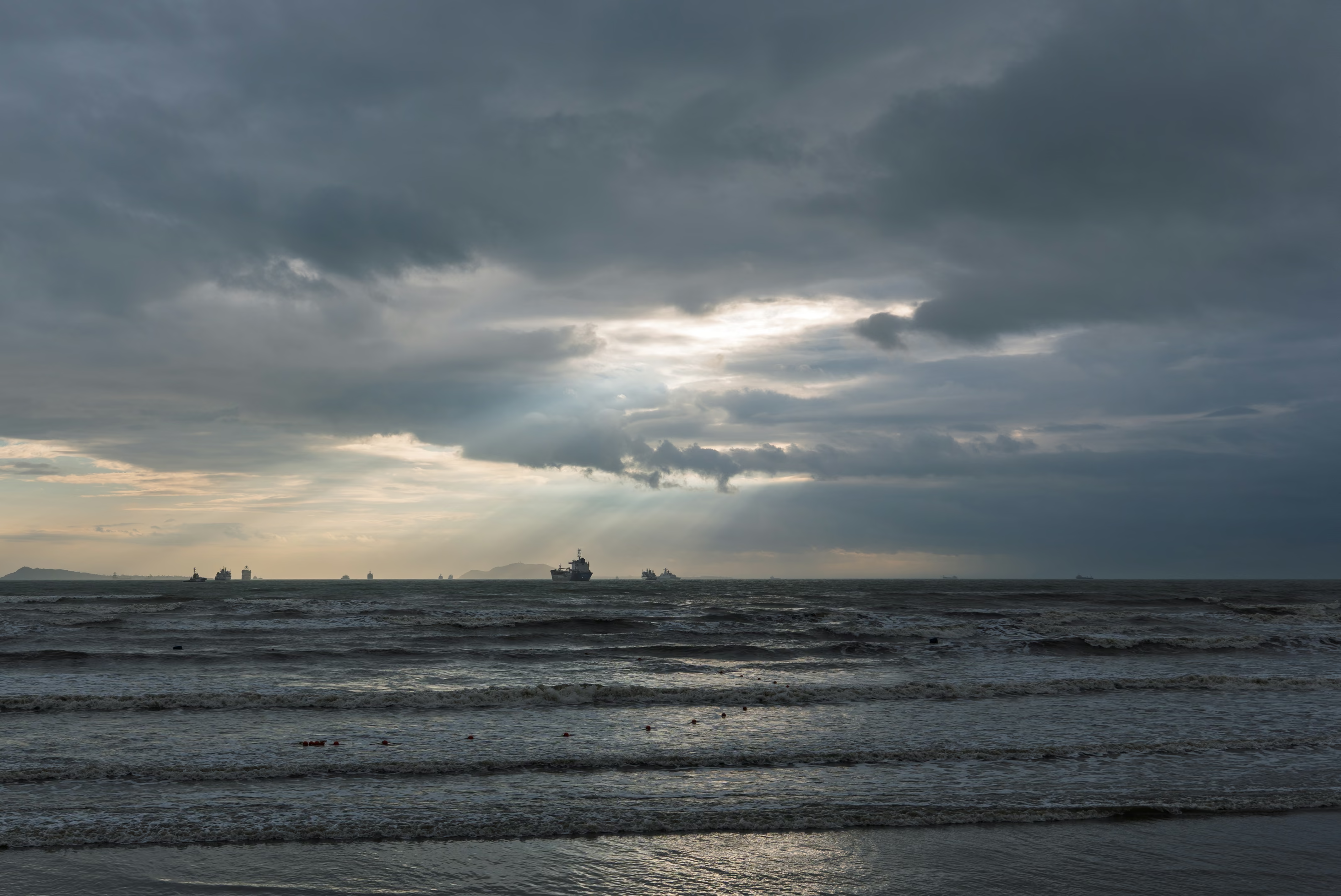
Finally, another pre-dawn flight back to Singapore, and one more chance to look up at the stars.
Odds and Ends
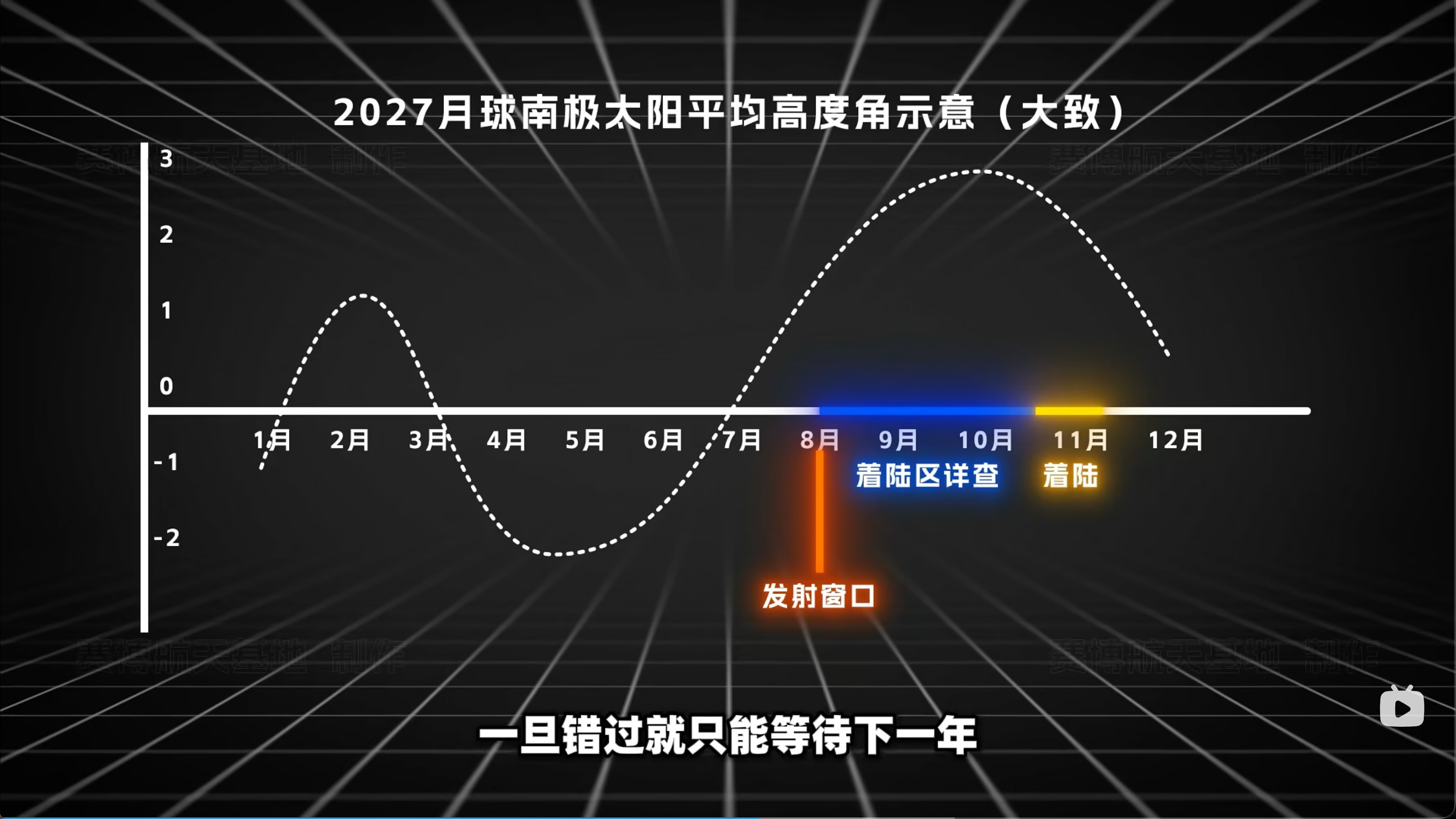
When booking the flights I had asked the shiny new Fable 5 to work out the feasible launch windows. It came back with 23–25 August, and said late September still offered a window with similar Δv and lit conditions at the south pole. But according to insiders, Chang’e-7’s window this year was only those one or two days at the end of August (the official announcement later confirmed it). I didn’t understand at first, until I watched this video and realised I had left out the time needed in orbit to survey the landing site. So it really is next year now. Did we miss a golden window? Let the future answer that. As the official media put it: the road to the stars has never been smooth; facing risk and getting past failure is simply the normal state of spaceflight.
Hainan locals — especially the people in tourism promotion and viewing-ticket sales — really are well connected; their news runs well ahead of us enthusiasts, let alone official sources. The space city has clearly become part of the local economy.
Once again, thanks to @Jackchou00 for the help and company, which made the trip a lot more fun; and thanks to the kind, down-to-earth people of Hainan, who helped us out many times along the way. Until the next rocket chase.